
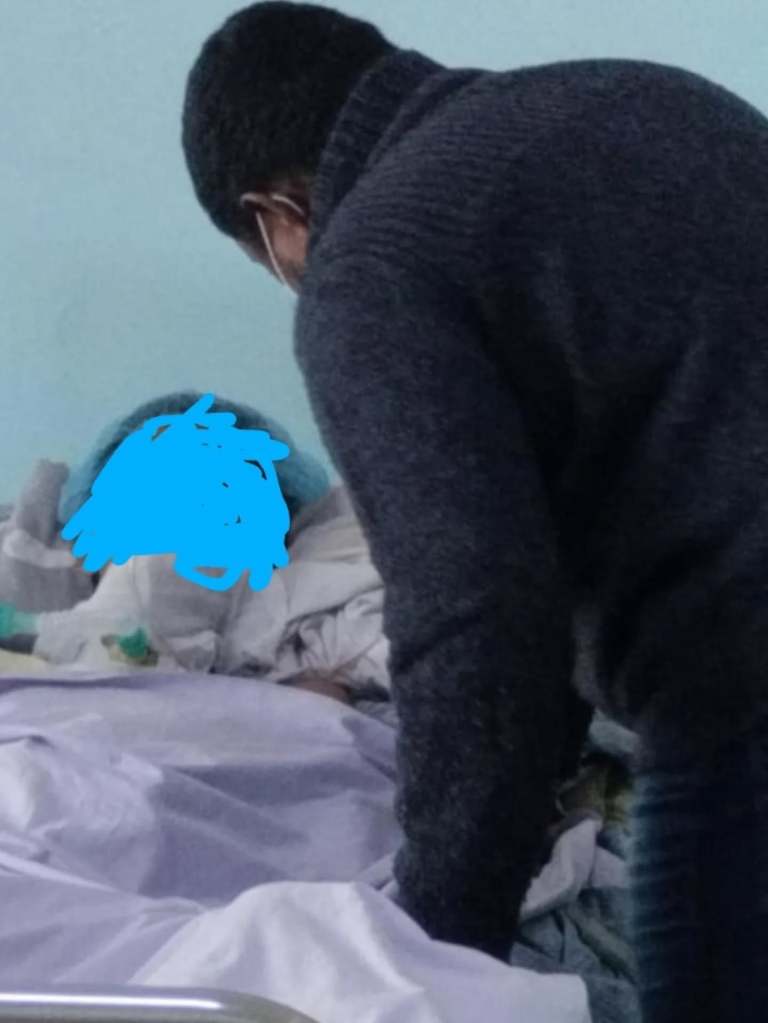
“How are you Fitahiana?” He moved his hand to signify that he is so-so. As we communicated through questions from me and hand movements from him, he explained to me that he is tired, emotionally exhausted, in pain, that he has had enough, that he wonders when this would end, and he would finally be fine again. I tried to encourage him from Scripture as much as I could. I cried with him and tried to make him smile…
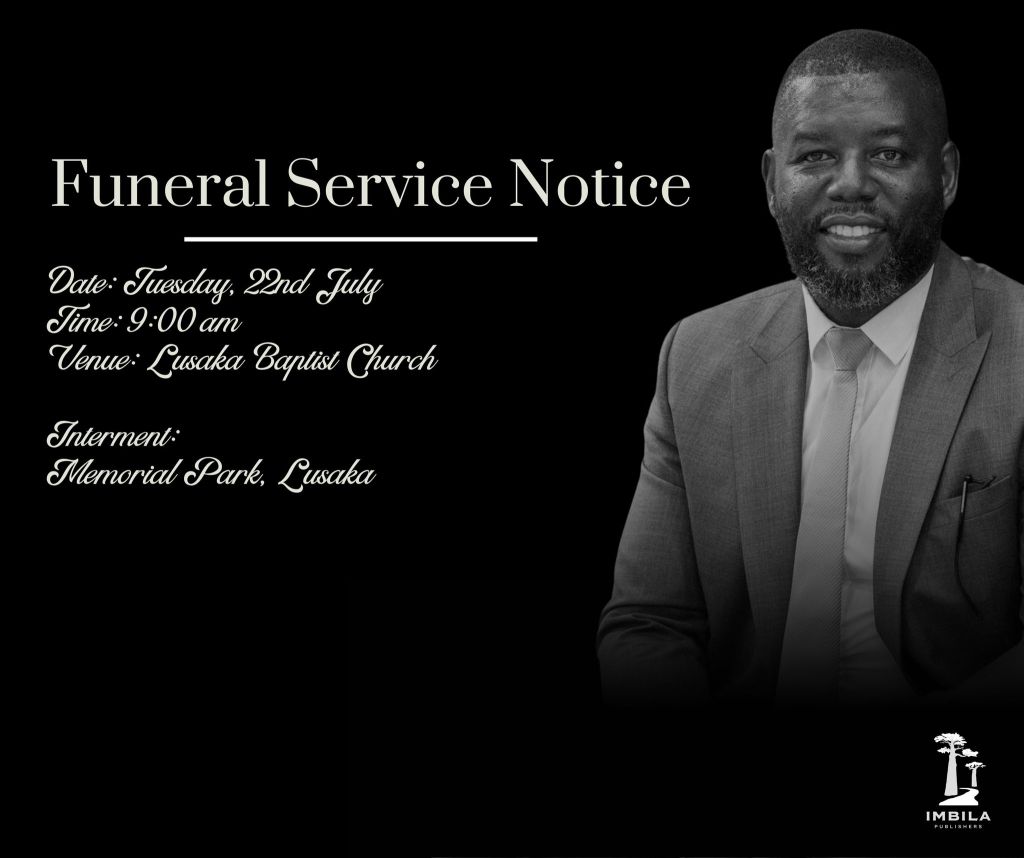
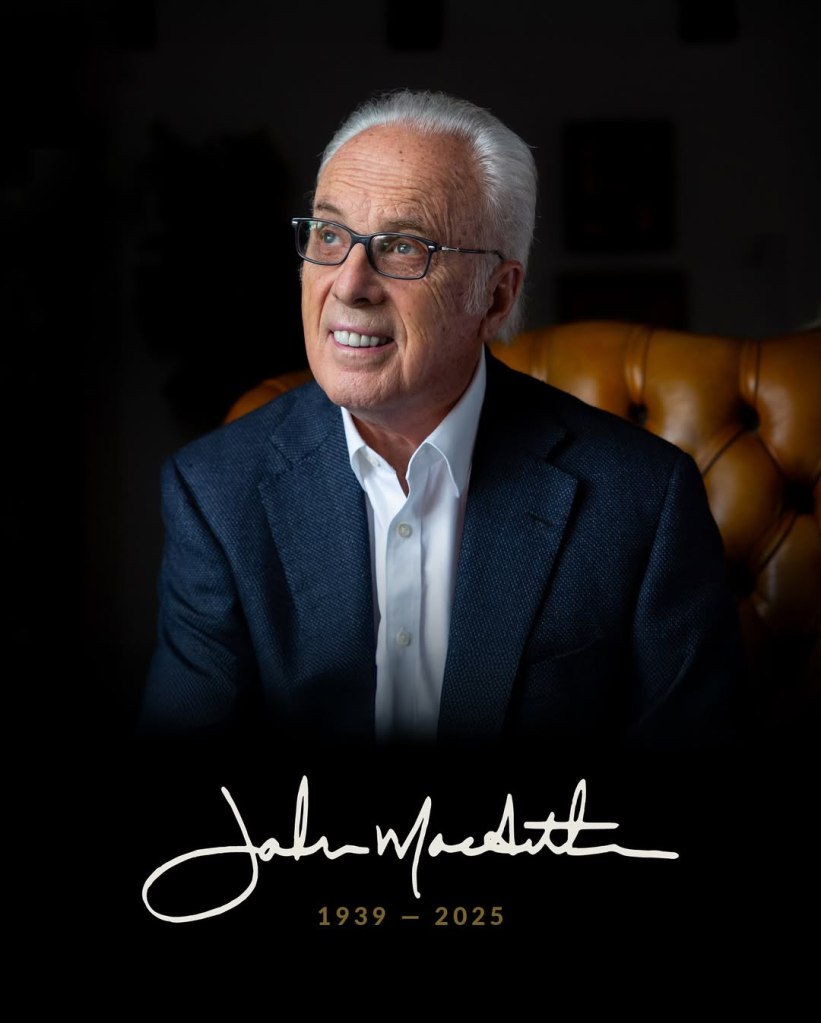
It was one of the most difficult weeks I have ever been through with the passing of Pst John MacArthur, the passing of Saidi Francis Chishimba, a Zambian brother I got to know through Christian Publishing, the passing of Nombana and Antsa, taking the number of people dying through the food poisoning incident of June 14th to 31. 😭
The death of people aged 17 to 86 years old is a vivid reminder that life is but a vapor, and one day we will all stand before God to give an account (Heb 9:27).
However, can we even imagine how the past month has been for Fitahiana? 😭😭
He has been on this hospital bed for over a month now, almost completely paralyzed. Since June 15th, he has had to process the death of his sister, and the one-by-one death of the 4 other people that shared the room with him, including his cousin, Kasaina. He heard the doctors trying to resuscitate them to no avail. He heard the cries of the family members who lost loved ones. He doesn’t know anything of all the judicial and political circus going on outside, but what he knows is that he is still there on that bed, alone in that room. And what we know is that no antidote nor curative medicine is given to him yet. He is getting better, but so did Nombana before dying.
In an age dominated by rapid information flow, people find it challenging to stay engaged with prolonged crises. The allure of new trends and the constant bombardment of notifications lead to waning interest; once the initial shock wears off, individuals quickly move on to the next headline. Social media and news outlets thrive on rapid-fire updates, encouraging a culture where everyone urges to “move on.” Events that once captivated public interest swiftly lose their urgency, replaced by the next trending topic, meme, or viral sensation. The continuous influx of events creates a desensitization effect, where societal empathy becomes diluted. Each tragedy, each emergency competes for attention, making it easy to forget the past crises that once gripped public consciousness.
In our increasingly self-centered society, many find it hard to prioritize collective problems over personal interests. The relentless hustle for personal success often sidelines the struggles of others, leading to a culture where empathy towards collective emergencies dwindles. This is exacerbated by those who benefit from others’ predicaments. Profiting from chaos and misfortune, these individuals, be it in business or politics, resist resolving the issues, as their interests are intertwined with the persistence of such crises.
Attempting to maintain a state of emergency is inherently exhausting. The emotional toll of constant alertness and vigilance is unsustainable, leaving individuals burned out and seeking solace in ignoring the ongoing issues.
I would thus want to make an appeal for Fitahiana and the 8 others that are still fighting for their life at this hospital: let’s not move on from this. Please continue to pray for them. Please continue to pray for the families who lost a loved one.
But at a more critical level, this exhausting situation mirrors a deeper, spiritual emergency. The Bible speaks of a different kind of poisoning: sin. Rather than pursuing repentance and liberation, many tend to play with sin, allowing it to persist. John Owen poignantly stated, “Be killing sin or it will be killing you.” This quote highlights the urgency of addressing our moral failures instead of letting them fester.
As Christians, we are called not only to recognize this spiritual emergency but to act upon it. The scripture reminds us in 2 Peter 3:9, “The Lord is not slow about His promise, as some consider slowness, but is patient toward you, not willing for any to perish but for all to come to repentance.” This calls for a collective turning back to God, repenting for our sins.
Let us remain alert, understanding that while societal emergencies may fade, the need for spiritual awakening and search and rescue missions for dying souls is ever-present. Each moment is an opportunity for Christians to share the gospel, extend mercy, and act as beacons of hope in a world distracted by fleeting crises, ensuring that we never lose sight of the ultimate state of emergency that affects every soul.


 Madagascar 3M