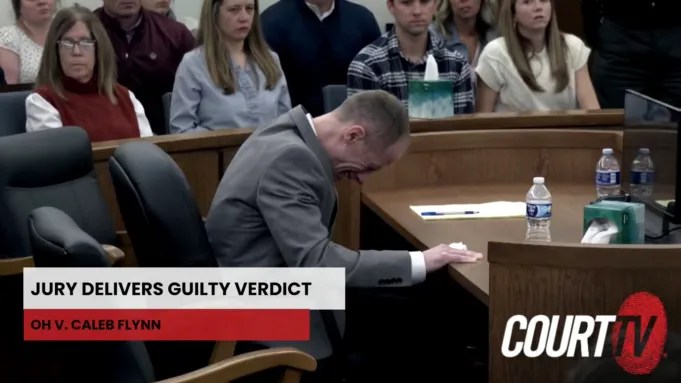
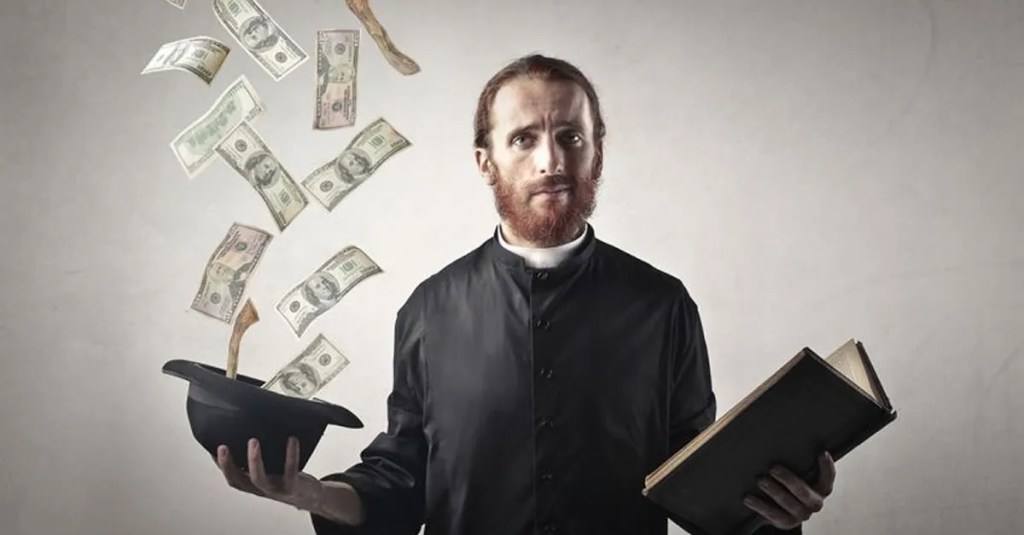
This article is part of a three-part series on sin in the church, written in light of the Caleb Flynn case. Flynn, a worship leader in Ohio, was convicted by a jury on September 29 of murdering his wife, Ashley, while carrying on an affair, and his lawyers have said they will appeal. I am not writing to judge him, since the courts are doing that work. I am writing because this tragedy forces us in the church to look honestly at ourselves, which fits the theme of this year’s International Summit for Expository Preaching on November 4-7.
The Flynn case is dark, and I don’t want to attempt to soften it. But it would be poor of me to end with despair. The Gospel is not only a warning about what sin does; it is the announcement of what Christ has done. Sin is real, but it does not have the last word. Paul says it this way: “Where sin increased, grace abounded all the more” (Romans 5:20).
First, we must say it plainly: In Christ, we are not condemned to sin. Paul writes, “Sin will have no dominion over you, since you are not under law but under grace” (Romans 6:14). And in 1 Corinthians 10:13, “No temptation has overtaken you that is not common to man. God is faithful, and he will not let you be tempted beyond your ability, but with the temptation he will provide the way of escape.” There is always an exit. There is always a choice not to sin for believers. It is possible not to sin, because Christ has broken sin’s power.
Every step into sin is a choice made while an escape door stood open.
Second, the gospel offers forgiveness, even for the worst. Paul called himself the foremost of sinners and said that Christ came to save them (1 Timothy 1:15). “If we confess our sins, he is faithful and just to forgive us our sins and to cleanse us from all unrighteousness” (1 John 1:9). Forgiveness from God does not erase earthly consequences, and courts rightly do their work.
But no sinner is beyond the reach of the cross when he comes with true repentance.
Third, I was moved by the grace shown by Ashley’s family, speaking forgiveness toward the man who took their daughter. This is not weakness and it is not denial of justice. They can grieve, and they can ask for justice, and still release the debt before God. That is the Gospel in flesh. Paul says, “Be kind to one another, tenderhearted, forgiving one another, as God in Christ forgave you” (Ephesians 4:32). Jesus taught that those forgiven much must forgive much (Matthew 18:21-35).
Forgiveness of this kind is the supernatural fruit of a heart that has been forgiven by Christ.
🖐🏽 What does this mean for our churches? We need to become communities of confession and forgiveness. James 5:16 says, “Confess your sins to one another and pray for one another, that you may be healed.” If confession is dangerous in our churches, people will hide. If forgiveness is rare, people will not confess. We must make it safe to say, “I have sinned,” and we must answer with Christlike mercy and with the truth that sin has consequences and needs repentance. Grace does not cancel accountability; it makes accountability bearable and encouraged.
Broken sinners forgiven by grace can relate to one another in a way the world cannot. We do not pretend to be strong. We do not rank sins. We do not compete about sin. We know the same Cross rescued each of us. We know that the same grace has been extended to each of us by the same God. A church like that is a living sermon.
🙏🏽 Today, if you carry sin, confess it. If you carry bitterness, release it. If you offended another believer, go ask for forgiveness. Sin may leave wreckage behind, but the One who rose from the dead has the last word. He speaks it over His people: forgiven, cleansed, restored. And Ashley’s parents reaction to Caleb Flynn’s story demonstrates this.
This article is part of a three-part series on sin in the church, written in light of the Caleb Flynn case. Flynn, a worship leader in Ohio, was convicted by a jury on September 29 of murdering his wife, Ashley, while carrying on an affair, and his lawyers have said they will appeal. I am not writing to judge him, since the courts are doing that work. I am writing because this tragedy forces us in the church to look honestly at ourselves, which fits the theme of this year’s International Summit for Expository Preaching on November 4-7.
Part 1 looks at what sin destroys, part 2 at the accountability and transparency that keep sin from growing, and part 3 at the forgiveness and grace that have the last word. May we read, repent, and rejoice in the Gospel.
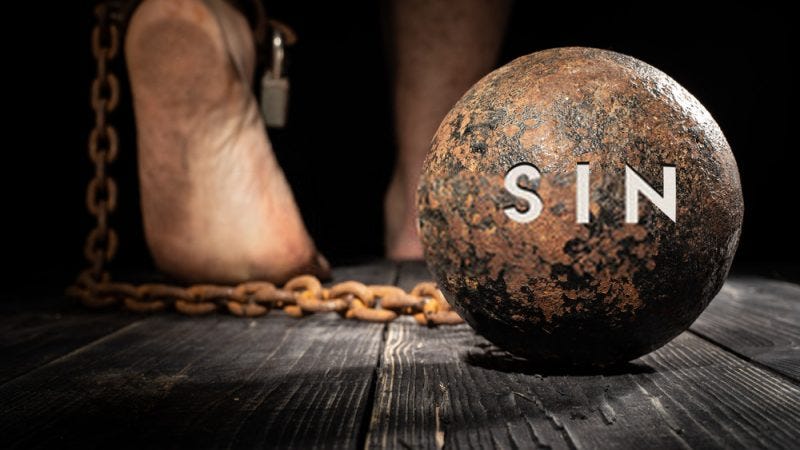
[Picture borrowed from the internet]
Sin does not grow in the open. It grows where no one asks questions. One of the hardest lessons from the Flynn case is how long a double life can run inside a church. A man can lead worship on Sunday and carry a secret relationship through the week, and no one sees it. Sin thrives in privacy, and the Bible knows this.
Jesus said, “Everyone who does wicked things hates the light and does not come to the light, lest his works should be exposed” (John 3:20). Hidden things feel safe to the one hiding them. The longer they stay hidden, the stronger they become. Adam and Eve hid after the first sin (Genesis 3:8). David hid his adultery and then arranged a death to cover it. The pattern is ancient: concealment compounds sin.
Scripture’s answer is not shame but light. “Walk in the light, as he is in the light, we have fellowship with one another” (1 John 1:7). Fellowship and light go together.
A church that values privacy over honesty, or reputation over repentance, is building a shelter for sin.
So we need accountability, and it must be real. Proverbs says, “Iron sharpens iron, and one man sharpens another” (Proverbs 27:17). Paul writes, “Brothers, if anyone is caught in any transgression, you who are spiritual should restore him in a spirit of gentleness” (Galatians 6:1). Notice the verbs: caught, restore, gentleness.
Accountability is not an act of surveillance leading to gossip; it is an act of love with open eyes leading to restoration.
Pastors, this begins with us. Hebrews 13:17 says leaders “keep watch over your souls.” 🖐🏽 Who keeps watch over ours? Too many pastors and ministry leaders answer to no one in practice. We need elders who can ask hard questions and be answered honestly. We need boundaries around private communication, meetings, and travel. We need to say, “Look at my phone, my calendar, my life.” Rules do not make a man holy, but they remove him from the shadows where temptation hides. Paul told Timothy to flee youthful passions and pursue righteousness “along with those who call on the Lord from a pure heart” (2 Timothy 2:22). Notice “along with.” Purity is pursued in company.
🖐🏽 Congregations, this is your calling too. Do not treat your leaders as untouchable, and do not treat them as suspects. Pray for them, ask about their lives, and notice patterns. If something troubles you, speak early and speak kindly. Proverbs 27:6 says, “Faithful are the wounds of a friend.” A church that never asks questions has not chosen peace. It has chosen blindness.
Transparency means no hidden life. The goal is simple: the person I am in private should be the person people see in public. “Whoever walks in integrity walks securely, but he who makes his ways crooked will be found out.” (Proverbs 10:9).
The fruit of accountability is freedom. A transparent life has nothing to protect. If you are hiding something today, bring it to the light before the light finds it. If you lead, build a culture where truth costs less than silence. And Caleb Flynn’s story epitomizes this.
This article is part of a three-part series on sin in the church, written in light of the Caleb Flynn case. Flynn, a worship leader in Ohio, was convicted by a jury on September 29 of murdering his wife, Ashley, while carrying on an affair, and his lawyers have said they will appeal. I am not writing to judge him, since the courts are doing that work. I am writing because this tragedy forces us in the church to look honestly at ourselves, which fits the theme of this year’s International Summit for Expository Preaching on November 4-7.
Part 1 looks at what sin destroys, part 2 at the accountability and transparency that keep sin from growing, and part 3 at the forgiveness and grace that have the last word. May we read, repent, and rejoice in the gospel.
[Picture borrowed from the internet]
A worship pastor used to stand on a stage and lead people before the throne of God. Months later, a jury found him guilty of murdering his wife. Ashley Flynn, a teacher, a volleyball coach, a born-again believer and mother of two daughters, was shot while she slept. I am not here to judge Caleb Flynn; a court has done that work.
I am writing because his story is a mirror, and every pastor and every church member should look into it.
James gives us the anatomy of this tragedy: “But each person is tempted when he is lured and enticed by his own desire. Then desire, when it has conceived, gives birth to sin, and sin, when it is fully grown, brings forth death” (James 1:14-15).
Notice the order:
Desire,
Conception,
Birth,
Growth,
Death.
Sin never starts as a monster. It starts as a look, a message, a private conversation. Nobody wakes up one morning and decides to destroy a family. Yet that is where the road ends when no one stops walking it.
The cost is staggering. A wife is gone. Two daughters lost their mother and, in a different way, their father. In the letters read in court, the pain of children is almost too heavy to carry. Ashley’s parents buried their child and feel the sting of separation. A congregation was shaken to the core, and the watching world gained another reason to mock the church. Proverbs warns that the adulterer “will find wounds and dishonor” (Proverbs 6:33). Sin always promises freedom and delivers wreckage. And the thing is that it never hurts only the sinner.
The tragedy is deeper because this man led worship and publicly confessed Christ. The church can be the easiest place to hide. We speak “Christianese”, we adopt the postures and hand gestures, we are “holding to a form of godliness, but having denied its power. (2 Timothy 3:5). We know the language, the posture, the songs. Jesus described such people: “This people honors me with their lips, but their heart is far from me” (Matthew 15:8).
Giftedness is not godliness. Skill on a platform can cover rot underneath.
What do we do?
First, we must resolve to hate sin again. Paul commands, “Abstain from every form of evil” (1 Thessalonians 5:22), and “Let love be genuine. Abhor what is evil; hold fast to what is good” (Romans 12:9). Many churches have learned to be tolerant of everything except being uncomfortable. We need holy discomfort with sin, beginning with our own.
Second, we must pursue purity as a daily discipline. Jesus said that if your hand or eye causes you to sin, deal with it radically (Matthew 5:27-30). That is not cruelty or self-mutilation. It is love for your own soul and for the people your sin will touch.
Third, we must choose honesty over image. “Whoever conceals his transgressions will not prosper, but he who confesses and forsakes them will obtain mercy” (Proverbs 28:13). The cost of confessing early is small compared to the cost of being exposed late. And it is insignificant compared to the cost of being condemned to eternal punishment when standing before a holy God. Looking Christian is easy; being honest and genuine is harder. But it saves lives, starting with yours.
🖐🏽 Pastor, ask yourself today: what desire am I feeding in secret?
🖐🏽 Church member, ask: what am I covering or who am I pretending to be?
🙏🏽 Confess it now, to God and to a trusted brother or sister, while it is still small.
James told us where the path leads if we do not. And Caleb Flynn’s story proves it.
I walked out of the theater still turning the film over in my mind. Christopher Nolan’s The Odyssey is, on the level of craft, a masterclass. Hoyte van Hoytema’s cinematography, Ludwig Göransson’s score, the sheer scale of it shot for IMAX, the very “raw” approach to the fight scenes. Matt Damon’s Odysseus is a man stretched thin between duty and despair, and the film never lets you forget it. As pure filmmaking, it is EPIC in every sense of the word, and I enjoyed it thoroughly. But what stayed with me longest wasn’t the spectacle. It was how much of the story pressed on questions the human heart cannot stop asking.
Ancient Myth, Timeless Ache
The Odyssey is Greek mythology, gods squabbling on Olympus, monsters guarding straits, a hero trying to find his way home. And yet underneath the fantastical machinery, Homer’s tale (and Nolan’s telling of it) keeps circling back to things every one of us wrestles with: – Life and death. Odysseus descends among the shades, sees comrades lost to war and sea, and returns changed. He is a man who has looked at mortality and cannot unsee it. – Guilt and its weight. Every choice on that voyage costs someone something. Men die because of decisions made in pride, in fear, in weakness. The film doesn’t let its hero off easy; his guilt travels with him the way ours does. – Atonement. Odysseus spends the whole story trying to earn his way home, through suffering, cunning, penance to offended gods. Homecoming has to be paid for.
These themes resonate because they are not really Greek. They are human. Every culture, every age, tells some version of this story, because every person alive carries the same three questions: Why must I die? What do I do with my guilt? How could I ever be made right again?
The Limits of a Beautiful Myth
Here is where I want to be honest, as someone who loved the movie and also loves the Gospel: The Odyssey is man asking eternity’s questions and answering them with his own imagination. The gods of Olympus are petty, capricious, bribable; they reflections of human nature projected onto the heavens, not a real answer to sin or death. Atonement in Homer’s world is transactional and never final; Odysseus never really finds peace, only survival. Guilt is managed, not removed. Death is mourned, never conquered.
That is what every myth and fable ultimately is: a magnificently unsuccessful human attempt to answer questions only God can answer. Nolan filmed something beautifully, but aesthetic beauty is not the same as truth.
Scripture doesn’t leave us guessing: – Why must I die? Because “the wages of sin is death” (Romans 6:23). This is not the whim of a fickle god, but the just verdict of a holy One against real rebellion. – What do I do with my guilt? I cannot manage it, appease it, or outrun it on a twenty-year voyage. It must be atoned for. And Christ has done it: “In him we have redemption through his blood, the forgiveness of our trespasses” (Ephesians 1:7). – How could I ever be made right? Not by cunning, not by suffering enough, not by self-inflicted punishment, not by pleasing capricious powers, but by grace, through faith, in the finished work of the cross (Ephesians 2:8–9).
Odysseus rows, schemes, and bleeds his way toward Ithaca and never fully arrives at rest. Jesus Christ says, “Come to me, all who labor and are heavy laden, and I will give you rest” (Matthew 11:28). And He means it, because He is the one who already bore the wrath, already descended into death, and already rose again to prove the debt is paid.
An Invitation
If the film moved you, if watching a man wrestle with death, guilt, and the ache for home stirred something true in you, don’t stop at the myth. That ache is not an accident. God has “put eternity into man’s heart” (Ecclesiastes 3:11) so that we would look past every fable and every god of our own making, and seek the true and living God who has actually spoken, actually acted, and actually saved. You don’t need twenty years at sea to find your way home.
Turn to Jesus Christ today. He is the way, the truth, and the life (John 14:6), the only Redeemer who has already made the journey for you, through death and out the other side, so that you could be welcomed home for good. An eternity in His presence.
“Behold, now is the favorable time; behold, now is the day of salvation.” (2 Corinthians 6:2)
“I have no greater joy than to hear that my children are walking in the truth.” — 3 John 4
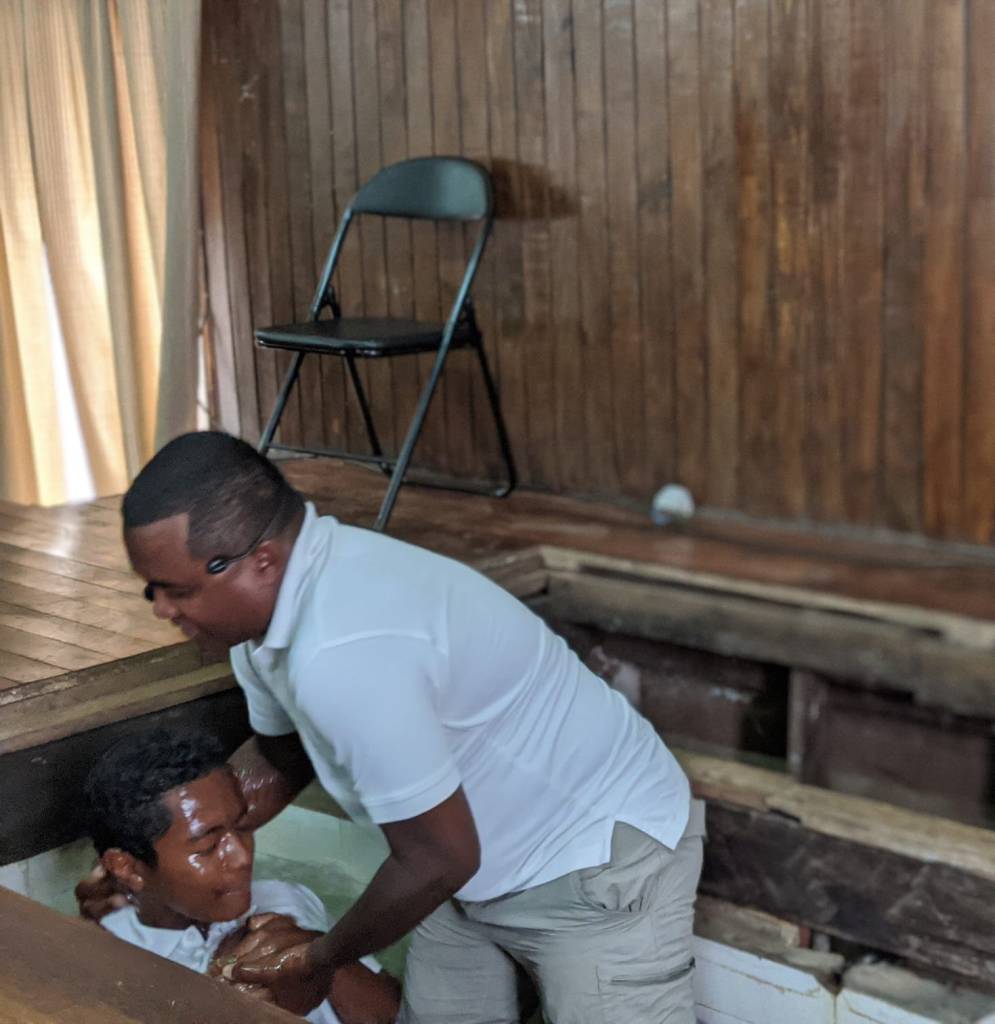
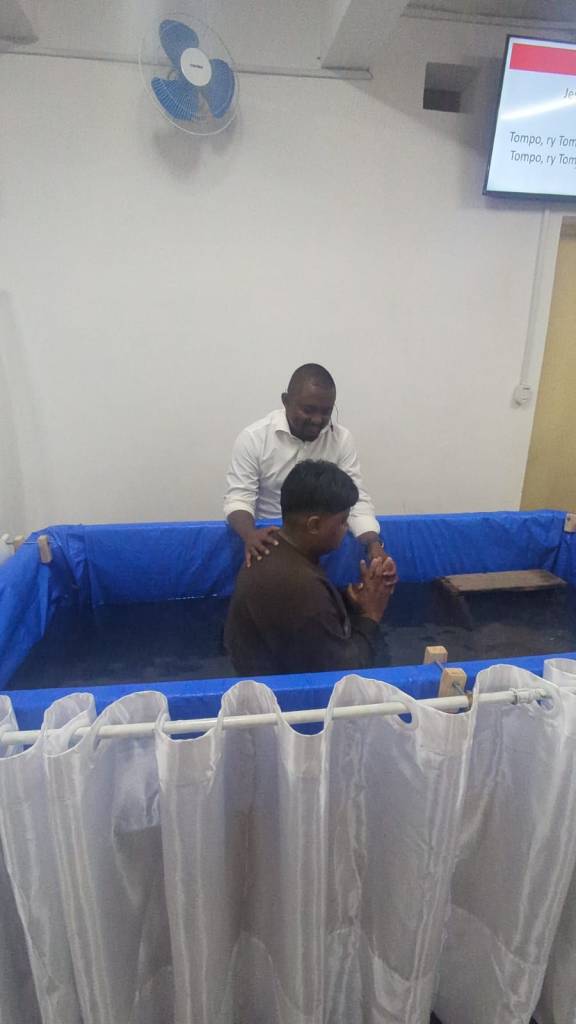
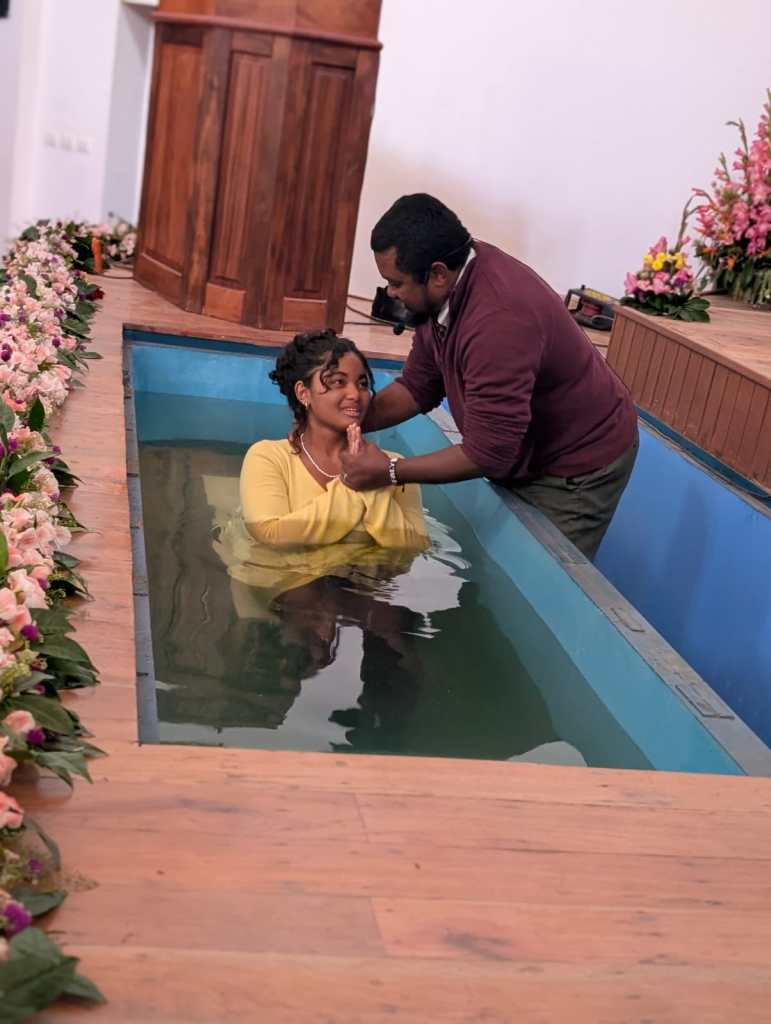
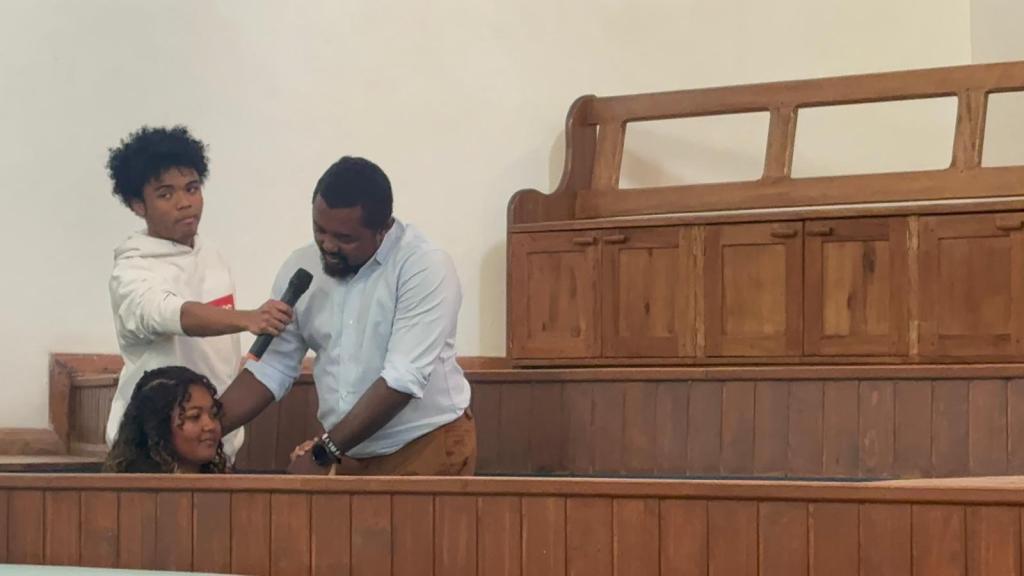
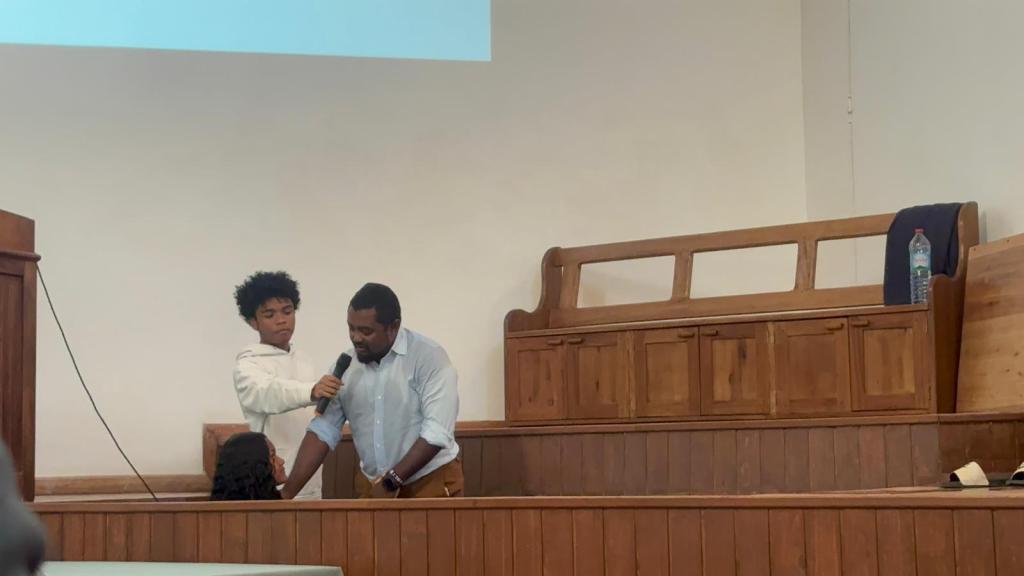
In 2022, I baptized Daniel. In 2024, Samuel. In 2025, Emmanuelle. And just over a week ago, in 2026, I had the immense joy of baptizing my two youngest daughters, Gabrielle and Rachel. All five of my children have now professed faith in Christ publicly. I cannot be happier. I understand, in a small but very personal way, what the Apostle John meant. There is no greater joy.
But I want to be honest with you: this has been far from a smooth journey. Baptism days are mountaintop moments, but the valleys in between were long, and some of them are not even behind us. So rather than simply celebrate, I want to share five realities I have learned, and am still learning, about raising five children in the Lord.
1. It Is a Divine Work
No amount of “good” parenting, no warm and comfortable home, no measure of care and love can transform a child’s heart. That is theology. If there is one thing you learn quickly as a parent, it is that you cannot do this in your own strength. We parents are still wrestling with our own sin. Dealing with the sinfulness of a toddler, or later a teenager, is far beyond our natural capacity to fix. Only God can awaken a heart to see His beauty on the face of Christ (2 Corinthians 4:5–6).
👉🏽 Only He can make a child see, fear, obey, and love Him by transforming the heart itself. We plant. We water. God gives the growth. Always.
2. It Is a Dependent Work
Parenting teaches continuous dependence, because the journey is far from over when a child professes Christ; it has only begun. The trials and temptations surrounding our kids are many. The influence of friends, social media, movies, and online personalities is enormous, and it often competes directly with parental authority and biblical instruction. So we pray, and we keep praying, asking the Lord to protect our children and keep them on the narrow path (Job 1:5; Proverbs 1:8–16).
👉🏽 God continues to make them see, fear, obey, and love Him progressively, over years, not overnight.
3. It Is a Deliberate Work
In His amazing plan, God chose imperfect, broken, dependent vessels to be the primary instruments of theological education for our children: us, the parents. Discipleship starts within the home, not in a classroom or a Sunday program. We have to be intentional and unwavering in both the didactic and the disciplinary sides of childrearing (Ephesians 6:4; Proverbs 22:6; Deuteronomy 6:5–7). This is not passive. It is deliberate, daily, and often unglamorous work.
👉🏽 And God, in His kindness, uses parents who themselves see, fear, obey, and love Him to shape children who do the same.
4. It Is a Difficult Work
Because it is dependent and deliberate, it is also difficult. Children continue to sin and stumble after they are saved, just as we do. No matter how many times they fail, or we fail, we have to keep bringing them back to the Word, showing them the way, proclaiming and portraying the gospel to them again and again. That is hard, because we are fighting against our own flesh and theirs at the same time (2 Corinthians 10:3–6). It is also difficult because, in God’s sovereign design, there are lessons only trials can teach. We do not like them. But we need them, and so do our children.
👉🏽 God prunes them, and He prunes us to see, fear, obey, and love Him through the very trials we would remove if we could.
5. It Is a Delightful Work
And yet — what a joy it is to watch Christ being formed in them (Galatians 4:19). What a joy to see their desires and their demeanor slowly change. What a delight to help build spiritual muscle in a son or daughter, training them to stand as soldiers in the Lord’s army. That is the unique privilege of a parent.
👉🏽 God makes our children see, fear, obey, and love Him by letting them taste, in real time, the blessedness, peace, and joy that walking with the Lord produces in their own lives and in our home.
🖐🏽 A Word for Parents of Prodigals
I want to close with something for the Christian parents reading this whose sons or daughters are not walking in the truth right now, but instead who are, in fact, walking away from it. I know it is hard. It is hard to watch a child you love persist on a path toward destruction. But you must keep being faithful to the one task that is actually yours: pointing them, again and again, to Christ and to His Word. That is all we can do as parents. And that is all we must do.🙏🏽
The rest: the awakening, the transforming, the bringing home; it all belong to God’s sovereign grace. Not to your performance as a parent. Not to your best efforts or your worst failures. Keep being faithful. Leave the rest with Him.👊🏽🙏🏽
The news broke with the kind of weight that settles slowly. Sam Alberry, long celebrated voice in evangelical circles on sexuality, celibacy, and same-sex attraction, has been disqualified from pastoral ministry following a report of inappropriate behavior with a man. After the initial shock, and considering the fact that many have issued warnings along the years, the greater blow was the fact that the eldership of his church had known since 2022. They evaluated his conduct at the time as “unwise,” not sinful, and allowed him to continue. He went on preaching from pulpits. He went on teaching at conferences — on homosexuality — while concealing a pattern that eventually could not be concealed.
I write this not as a man standing far off, pointing. I write this as a man who trembles. The best of men are men at best. And I am no exceptional man. I am a pastor in Madagascar, and I know my own weakness well enough to be afraid. What keeps me, what keeps any of us, is not our resolve. It is God’s grace, and the structures He has given us to live faithfully within it.
Paul wrote to Timothy: “The sins of some men are quite evident, going before them to judgment; for others, their sins follow after. 25 So also good works are quite evident, and those which are otherwise cannot be concealed.”(1 Timothy 5:24–25). Nothing stays buried. Not forever. The question is not whether hidden things will come to light, they will. The question is whether we will be men who walk in the light now, or men who are exposed by it later.
I want to walk in the light. So here, for my own soul and perhaps for yours, is a simple ABC.
A — Accountability
Provide it. Get it. Refuse to live without it.
Accountability is not a system. It is a posture. It is the decision to stop managing your image and start living honestly before God and a few trusted brothers who will tell you the truth. Proverbs 27:17 says “iron sharpens iron, and one man sharpens another”. But iron cannot sharpen what it cannot touch. You have to let people close enough to actually reach you. It means calling sin what God calls it, not “unwiseness,” not a “lapse in judgment,” not “a season of struggle.” Sin. James 5:16 is not a suggestion: “Confess your sins to one another and pray for one another, that you may be healed.” That word healed implies something was broken. Something is always broken. The question is whether we are honest about it.
It means allowing people to ask you hard questions and refusing to dodge them with spiritual-sounding half-answers. Proverbs 28:13 cuts clearly: “Whoever conceals his transgressions will not prosper, but he who confesses and forsakes them will obtain mercy.” The elders who evaluated Alberry’s conduct in 2022 and called it “unwise” were not lying, necessarily. They may have genuinely believed they were being gracious. But calling sin “unwise” is not grace, it is abandonment. True accountability names the thing, confronts the thing, and does not let a man walk back into a pulpit carrying unconfessed patterns that will, eventually, destroy him and others.
Do you have someone who knows you? Not the version of you that you present to the world, but you, your temptations, your failures, your secret drift? If not, you are already in danger.
B — Barriers
Make it hard to sin. Make it harder to hide.
I do not believe we should be paranoid men, but I do believe we should be honest men, honest enough to admit that we are capable of nearly anything under the right conditions. Joseph ran from Potiphar’s wife (Genesis 39:12). David did not flee from the rooftop (2 Samuel 11:1–2). The difference was proximity to temptation, and the presence or absence of structures that made sin difficult. Paul’s counsel to Timothy was blunt: “Flee youthful passions and pursue righteousness” (2 Timothy 2:22). The verb is active. You move. You do not wait to see if the temptation passes, you build distance from it before it arrives.
Whatever it takes (technology filters, accountability software, pastoral check-ins, avoiding certain situations, being never alone in certain contexts, etc), build the barriers. Not because you do not trust yourself, but precisely because you do not. This is wisdom, not weakness. Jesus himself said, “If your right hand causes you to sin, cut it off and throw it away. For it is better that you lose one of your members than that your whole body go into hell” (Matthew 5:30). That is not hyperbole designed to be ignored. It is a call to radical, costly, inconvenient holiness. The man who says “I don’t need those guardrails” is already closer to the edge than he knows.
And build barriers against hiding just as much as against sinning. Secrecy is the soil in which these things grow. Transparency kills them. Ephesians 5:11–13 reminds us that it is the light that exposes and transforms: “Take no part in the unfruitful works of darkness, but instead expose them… when anything is exposed by the light, it becomes visible.”
If something is happening in your life that you would be ashamed to tell your elders, that shame is a signal — not to suppress the information, but to bring it into the light before it metastasizes.
C — Conscience
Do not sear it. Do not silence it. Do not negotiate with it.
Paul warns of men whose consciences have been “seared as with a hot iron” (1 Timothy 4:2). The image is medical, a wound cauterized until it can no longer feel. This does not happen overnight. It happens slowly, through small compromises, through repeatedly telling yourself that this is the last time, through convincing yourself that your public ministry earns you private exemptions. It does not. There are no exemptions.
The terrifying thing about a seared conscience is that it does not announce itself. You do not wake up one day and think, I no longer feel the weight of sin. You simply… stop feeling it. And then you are standing at a pulpit, teaching others about holiness, and somewhere deep beneath the performance, the nerve endings that should be screaming are silent.
Your soul is at stake. So are the souls of every person who sits under your voice and trusts that the man preaching has some integrity between the pulpit and the private room. We cannot play Christian. We cannot play pastor. The stakes are eternal, for us, and for those who follow us.
A Personal Word
I want to be transparent about why I am writing this.
I am writing it for myself.
I write it as a man who knows how weak he is. I write it as a pastor who has seen what ministry pressure can do to a soul, how it can slowly crowd out the devotional life, the honest friendships, the quiet moments of genuine repentance. I write it as someone who does not find it easy to ask for help, and who is learning that not asking for help is one of the most dangerous things a pastor can do.
The news about Sam Alberry grieves me. It does not make me feel superior. It makes me feel the right kind of afraid. The Proverbs kind. “Let him who thinks he stands take heed lest he fall” (1 Corinthians 10:12). The fear of God is a gift. It keeps us humble. It drives us to prayer. It makes us reach for accountability not as an obligation but as a lifeline.
I need God’s grace and protection. I need brothers who will not let me manage my image around them. I need my prayer life to be more than a professional habit. And if you are in ministry — if people call you pastor, elder, teacher — you need these things too.
The sins of some men appear later. Let ours appear now, in the safety of repentance and restoration, before they appear on a headline.
There is something strikingly unflattering about God’s choice of metaphor in Isaiah 56:11. He does not compare corrupt leaders to foxes — cunning and sly. He does not call them wolves, fearsome and predatory. He calls them dogs. In the ancient Near Eastern world, this was among the sharpest insults a man could receive. Dogs were not the cute domestic companions of today but scavengers of streets, feeding on garbage, driven entirely by their hunger. And yet God, through His prophet, applies this image not to common criminals, but to leaders — political rulers and shepherds of God’s own people.
The indictment is threefold and devastating:
these leaders have insatiable appetites,
they lack spiritual understanding,
and they have each turned to their own private gain.
This is a comprehensive portrait of leaders that have become the very opposite of what God requires. And lest we think this was merely an ancient problem, have you looked at governments and church leadership scandals around the world today?
We live in an era intoxicated by power, saturated with sexual scandal, addicted to influence, and transfixed by wealth. The dogs of Isaiah’s day have not disappeared — they have simply put on suits and clerical collars.
Here, I want to reflect on the greed that has corrupted leadership in the church and in the political arena, but also give a sobering reminder of what awaits those who exploit the people they were called to serve.
I. The Appetite That Devours
Isaiah’s imagery begins with the stomach. “They have a strong appetite; they do not know satisfaction.” The Hebrew word for “strong appetite” speaks of a craving that is never filled, a hunger that grows even as it feeds. This is the spiritual problem of greed: it promises satisfaction and delivers only a deeper hunger.
We see it in political leaders who hoard power with ferocity. They pass laws that benefit themselves, build networks of personal loyalty, and treat public office as a platform for personal enrichment. They accumulate comfort, and control. The belly grows; the people suffer.
We see it, tragically, in the church as well. The prosperity gospel — that theological catastrophe dressed in spiritual and emotional garb — has produced a generation of church leaders who live like emperors while their congregations struggle to make rent. Private jets, luxury compounds, and designer wardrobes have become the symbols of “God’s blessing” in certain circles. But the prophet’s question thunders across the centuries: How can a shepherd feast while the sheep go hungry?
Materialism is not merely a financial sin — it is a theological one. To love money, as Paul warns in 1 Timothy 6:10, is a root from which countless evils grow. When a leader’s heart is set on material acquisition, he has already committed a form of idolatry. He has exchanged the glory of the incorruptible God for the perishable things of this world. The big belly is the symptom; the idolatrous heart is the disease.
We cannot serve two masters (Mat 6:24); is your belly your master?
II. The Craving that Overcomes
If materialism is the corruption of the appetite for provision, the lust for power and influence is the corruption of the appetite for significance. Both are God-given desires twisted by sin into instruments of exploitation.
Isaiah says these leaders “have all turned to their own way.” This phrase is arresting. Not one or two, but all. The entire leadership class has become self-referential. Their decisions orbit around their own interests, their own legacies, their own kingdoms. This is the anatomy of power-hunger: a leader who, rather than existing for the people, requires that the people exist for him.
In the political realm, this manifests as an obsession with electoral survival at the cost of moral integrity. Leaders compromise on justice, silence truth-tellers, punish the powerless, and protect their allies — all to maintain the throne. They speak of the people but think of themselves. They invoke God’s name to sanctify ambitions that are entirely self-serving.
In the church, power-hunger takes on a more sinister character because it masks itself in spiritual language. The authoritarian pastor who brokers no accountability, who silences others, who demands absolute loyalty — he is not a strong leader. He is a dog with a strong appetite for control. The cult of personality that surrounds many celebrity preachers is not the fruit of spiritual authority; it is the fruit of unchecked ego dressed in a preaching robe.
Jesus, our great High Shepherd, said it plainly: “The greatest among you shall be your servant” (Matthew 23:11). Any leader in the church or in the public square whose chief preoccupation is protecting his own influence has already disqualified himself from the kind of leadership God honors. The truly great leader makes himself small so that those entrusted to his care may grow.
III. The Lust that Consumes
No reflection on corrupt leadership today can be complete without addressing sexual sin, which has ravaged institutions across every sector of society. The Jeffrey Epsteins, the Harvey Weinsteins of Hollywood, the political figures whose hidden lives are exposed in scandal, and — most grievously — the pastors and ministry leaders who have used their spiritual authority to exploit the vulnerable: all of them trace back to the same root of unrestrained appetite.
The dog is not selective about what it feeds on. The leader whose heart is never disciplined, never submitted to accountability, never mortified through the hard work of sanctification, will inevitably find that his uncontrolled appetites do not confine themselves to money or power. Sexual sin and financial greed are, in the Scriptures, deeply related. Both are expressions of an inner man who has never learned to say “enough.”
The damage such leaders leave behind is immeasurable. Women silenced. Young people disillusioned from faith. Families shattered. Congregations traumatized. Outside observers cynical. And all of it done under the cover of a title — “Pastor,” “Bishop,” “Reverend,” “President.” The title becomes a hunting license for predators when no accountability structure exists to constrain it.
God is not confused about what is happening behind closed doors. “Would not God find this out? For He knows the secrets of the heart” (Psalm 44:21). The prophet’s warning is not optional. Those who use their positions to satisfy sexual appetite will answer to a Judge whose vision is perfect and whose verdict is just.
IV. The Failure That Condemns
There is a particular phrase in Isaiah 56:11 that deserves its own meditation: “shepherds who do not know understanding.” The Hebrew word for understanding here is often translated “wisdom” or “discernment.” These leaders are not merely morally corrupt — they are spiritually dumb. Their greed has made them foolish.
This is one of sin’s most devastating consequences: it darkens the mind. Paul tells us in Romans 1 that the rejection of God leads to a futile mind and a darkened heart (Romans 1:21). When a leader gives himself over to greed, lust, and the hunger for power, he progressively loses the capacity for moral clarity. He begins to believe his own rationalizations. He surrounds himself with people who will not challenge him. He develops an inability to see what everyone around him can plainly see.
We witness this in leaders who display staggering moral obtuseness — who seem genuinely incapable of understanding why their behavior is harmful, or who, when confronted, respond with self-pity rather than repentance. This is not primarily a failure of intelligence. It is a failure of the soul. When the belly rules, the brain atrophies. Big belly, small brain.
True leadership requires wisdom, and wisdom begins, as Proverbs tells us, with the fear of the Lord (Proverbs 9:10). A leader who does not fear God will never lead well, because the fundamental orientation of his soul is wrong. He is answerable to no one above him, and so he becomes accountable to nothing but his own desire. This is the definition of a fool in the biblical sense — not a lack of IQ, but a lack of reverence.
V. The God Who Will Not Be Mocked
One might be tempted, reading this far, toward despair. If corruption is so pervasive, if leaders so reliably fail, what hope remains? The answer of Scripture is severe but ultimately glorious: God Himself will act.
The broader context of Isaiah 56 is a passage about God’s expanding welcome — the foreigner, the eunuch, the outcast are all invited into His house of prayer. The corrupt shepherds are exposed precisely because God’s concern for His flock is absolute. He will not indefinitely permit the exploitation of those He loves.
Isaiah 56 continues into chapter 57 with one of the most searing divine indictments in all of Scripture. God speaks with the kind of righteous anger that should cause every leader to tremble: “But the wicked are like the tossing sea, for it cannot be quiet, and its waters toss up refuse and mud. ‘There is no peace,’ says my God, ‘for the wicked.’” (Isaiah 57:20–21)
Jesus reserves His most intense language for those who harm His sheep. “Whoever causes one of these little ones who believe in Me to stumble, it would be better for him to have a heavy millstone hung around his neck, and to be drowned in the depth of the sea” (Matthew 18:6). The Shepherd of souls speaks with the severity of a Father whose children have been hurt. The corrupt shepherd, the exploitative politician, the predatory pastor — they are not dealing with a distant and indifferent God. They are standing before the Lion of Judah.
Ezekiel 34 is perhaps the most comprehensive divine response to corrupt leadership in all of the Old Testament. God speaks directly to the shepherds of Israel who have fed themselves rather than the flock:
“Thus says the Lord God: Behold, I am against the shepherds, and I will require my sheep at their hand and put a stop to their feeding the sheep. No longer shall the shepherds feed themselves. I will rescue my sheep from their mouths, that they may not be food for them.” — Ezekiel 34:10
This is not metaphorical language designed to comfort the comfortable. God is declaring His personal opposition to those who exploit those under their care. He will hold them accountable. He will remove them from their positions. And He will rescue the sheep they have harmed. No political immunity, no church platform, no financial power will shield a corrupt leader from the judgment of the Living God.
The church of Jesus Christ must resist the temptation to critique political corruption while remaining silent about its own. The Evangelical world has been rocked in recent years by a cascade of revelations — pastoral abuse, financial fraud, sexual scandal, spiritual manipulation. Every one of these represents a shepherd who had a strong appetite and did not know satisfaction.
Churches must build robust accountability structures. Elders must be genuine, not decorative. Financial transparency must be non-negotiable. Leaders who resist accountability must be recognized for what they are: dogs who do not want to be restrained. The willingness to submit to accountability is not a sign of weak leadership — it is one of the surest marks of godly character.
And the congregation — the flock — bears a responsibility as well. When we build celebrities rather than servants, when we fund excess rather than holding leaders to simplicity, when we treat charisma as a substitute for character, we participate in the very system we should be dismantling. The sheep are not innocent when they build golden calves and call them pastors.
The Day that Is Coming
Isaiah’s prophecy was not merely descriptive — it was anticipatory. The corrupt leaders of his day were the symptom of a people who had turned from God, and the consequence was judgment. But embedded in the book of Isaiah is also the magnificent promise of a Servant who would not break a bruised reed, a Shepherd who would lay down His life, a King whose government would bring genuine justice and peace (Isaiah 9:6–7; 42:1–4).
Until Christ returns to reign, corrupt leaders will continue to appear in the church and in the public square. They will continue to feed their appetites at the expense of those they were called to serve. They will continue to mistake their position for their identity and their platform for their purpose.
But the day is coming when every shepherd will give an account for every sheep. The day is coming when the Judge of all the earth will ask what was done with the authority He granted. On that day, big bellies will offer no comfort, and small brains will offer no excuse.
May the church lead the way in repentance, in accountability, and in the recovery of servant leadership. May those entrusted with political power govern with justice, humility, and transparency. And may every leader — in the church or in the world — hear again the ancient warning of the prophet, and tremble before the God who sees all, forgets nothing, and will, in His time, make all things right.
The word translated “temple” in Isaiah 6:1 is the Hebrew noun hêkāl (הֵיכָל), which refers to a large public building such as a palace or temple (https://biblehub.com/hebrew/1964.htm).
Its root traces back to the Sumerian E.GAL, meaning “great house” (E = house, GAL = great). In Mesopotamia, it referred to any grand administrative building, especially a palace. It entered Hebrew and came to carry the sense of a sacred temple or divine dwelling.
Hêkāl appears 80 times across 76 verses in the Hebrew Bible, spanning texts from 1 Samuel through Malachi. It is used for the pre-Solomonic sanctuary at Shiloh, Solomon’s temple, the second temple, and notably for the heavenly temple where God sits enthroned in passages like Psalm 11:4, 2 Samuel 22:7, and Micah 1:2.
The word is not limited to Israel’s temples, either — Ahab had a hêkāl, there was a hêkāl in Nineveh, and even the king of Babylon had one. This breadth of usage reinforces its core connotation: a place of supreme authority and royal grandeur.
Thus, one key feature of hêkāl is its deliberate double meaning — it points both to a palace (a royal residence) and a temple (a divine sanctuary).
Which Temple Does Isaiah 6:1 Refer To?
This is a much-debated question in biblical scholarship.
Though Isaiah may have been at the earthly temple, the vision makes him transcend the earthly to see the throne of God is in the heavenly temple (cf. Rev. 4:1–7; 11:19; 15:5–8). This is the heavenly temple after which the earthly temple was patterned (cf. Exodus 25:9; Hebrews 9:23–24).
The choice of hêkāl in Isaiah 6:1 is intentional. At the death of King Uzziah after a “successful” reign, instead of hearing of a new earthly king, the reader is introduced to a heavenly and eternal King, seated on a throne high and lofty, with the hem of his robe filling the hêkāl, God’s royal throne room — where the true King reigns.
The train of God’s robe filling the temple communicates honor and dignity: kings of that era wore robes with long trains precisely because they were difficult to do any work in — wearing one signaled, “I am important enough that I don’t have to work. I am a person of honor.” God is so exalted that even the lowest edge of his robe fills the entire sacred hall, as His glory fills the earth.
There in the heavenly throne room, the King of kings sits enthroned, holy and eternal, while Uzziah’s throne stands empty.
So what? How does this matter to our life today?
I’m glad you asked. Here are a few thoughts…
1. Contrast to See: God Reigns When Kings Die
The narrative frame of Isaiah 6:1 — “In the year that King Uzziah died” — is not incidental. It is the historical backdrop of the whole vision. Isaiah’s vision occurs at a time of national uncertainty, showing that God’s sovereignty is not dependent on earthly kings. The death of King Uzziah marks a time of transition, but Isaiah is immediately shown that God remains on His throne, ruling over all things.
For Christians in the world today, this is the best rebuke for any one of us trying to rule and run our life as we see fit. God is on the throne, we’re not. God is omnipresent, omniscient and omnipotent, we’re not. This is the best remedy against self-assertion, or fear and anxiety.
For Christians in political power today, this is a foundational corrective: your office is temporary; God’s throne is not. A hundred years from now, every head of state in the world today will be off the scene. But as these earthly rulers relinquish their power, God will still be sitting on His throne. This is not a discouraging word — it is a liberating one. It frees you as a leader from the illusion that the fate of God’s purposes depends on whether you hold office or not. God is on the THRONE.
2. Command to Steward: All Political Power is on Loan
From a biblical perspective, the authority of human government is not absolute but rather divinely derived. The apostle Paul writes, “There is no authority except that which God has established. The authorities that exist have been established by God” (Romans 13:1). Daniel 2:20–21 adds: “He changes times and seasons; he deposes kings and raises up others.”
The hêkāl — that royal palace-temple — belongs to God alone. Any earthly authority a Christian leader holds is a stewardship of borrowed power, not an achievement to be leveraged. The governing authorities should know that they are accountable to God for how they rule (cf. Daniel 4:26).
For you as a leader, it is accountability before pride. Uzziah’s tragedy in 2 Chronicles 26 is a warning precisely to the politically successful — he was struck with leprosy because he confused his royal success with priestly standing before God. Success in office can be spiritually dangerous. May any Christian leader never mistake the throne they sit on for the Throne Isaiah saw. GOD is on the throne.
3. Call to Serve: The Pattern of Stewardship
Christians must recognize the limitations of human authority and the ultimate sovereignty of God. This perspective provides a grounding and humility that can guard against the pitfalls of power and pride in the political sphere. God’s glory fills the hêkāl — there is no room left for self-promotion. God is ON the throne.
The Bible recurrently teaches that leaders should serve with humility (Mark 10:43–45) and act justly (Micah 6:8). Christian morality in public service means upholding honesty, integrity, and accountability, making decisions that prioritize the well-being of the people and seeking justice for all.
4. Commitment to Stand: Fidelity to Christ and His Precepts
God monitors governments; God raises them up and brings them down. Every human government is accountable to God and is accountable to maintain its affairs with justice and with righteousness. When the government is no longer acting justly, it is the task of the church to be the “prophetic” voice, to call the state to task and tell the state to repent.
Christians are called not to align uncritically with any ruler, but to measure all rulers by the standards of Christ.
The Christian in political power must hold two things in tension: submission to legitimate authority (Romans 13) and fidelity to a higher throne. He must be willing to be a witness against the political machinery they operate within when it demands allegiance that belongs only to God. Daniel served Nebuchadnezzar faithfully — until Nebuchadnezzar demanded worship. The throne of Isaiah 6 does not allow for any compromise.
Friends, the Throne is Never Empty, even in geopolitical or economic uncertainty.
There is a throne in heaven, and the LORD God sits upon it as the sovereign ruler of the universe.
Elections are won and lost. Coalitions collapse. Policies fail. Leaders die or disappoint. But the Christian who has seen what Isaiah saw — the Lord high and lifted up, the train of His robe filling the hêkāl — can serve faithfully in any political season, because their ultimate hope is not vested in any earthly outcome. God IS on the throne.
May you and I live with peace, purpose and passion as we trust that God has declared: “I am God, and there is no other; I am God, and there is no one like Me, declaring the end from the beginning, and from ancient times things which have not been done, saying, ‘My counsel will be established, and I will accomplish all My good pleasure’.” (Isaiah 46:9–10)
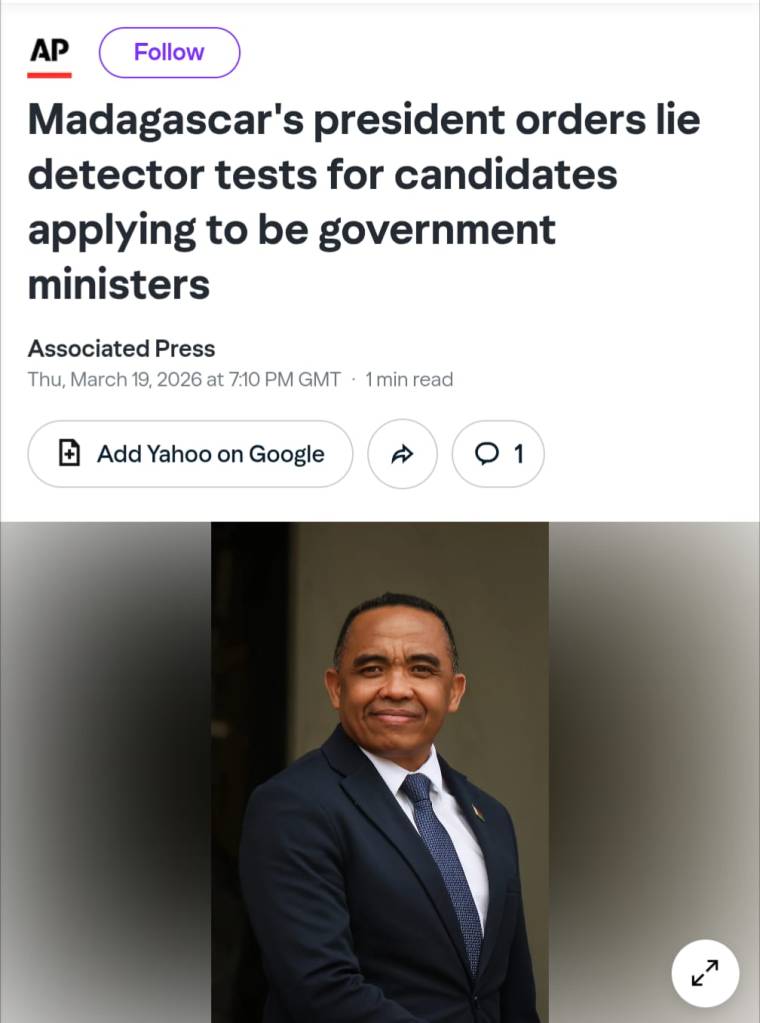
Madagascar’s new head of state, President Michael Randrianirina, announced this week that anyone seeking a ministerial position in his government will first be required to pass a polygraph test. “We will know who is corrupt and who can help us,” he declared. Yahoo!
The news has stirred conversation across the country. But beyond the political debate, this decision raises a profound spiritual question that every believer ought to sit with: What does it say about our society when a machine is needed to tell us what a person’s character should make plain?
Integrity: When Two Lives Become One Secret
A lie detector becomes necessary when people have learned to present one face to the world while hiding another entirely. We have all seen it — the respectable figure whose private life is a contradiction of everything he publicly represents. The Bible has a word for this: it is called duplicity, and God hates it.
Proverbs 11:3 declares, “The integrity of the upright will lead them, but the crookedness of the treacherous will destroy them.”
Integrity, in its root meaning, speaks of wholeness — being the same person in every room, before every witness, under every pressure.
A person of integrity does not need a polygraph because their private life is simply a continuation of their public one. There are no secrets to uncover, no hidden compartments in the soul.
When leaders require machines to verify what should be evident to all, it is a symptom of a deeper crisis — a generation of public servants who have mastered the art of disguise. They wear virtue like a costume, removing it when no one is looking. The tragedy is not merely political. It is deeply human.
However, God is not fooled; He warned through the prophet Samuel: “…for God sees not as man sees, for man looks at the outward appearance, but Yahweh looks at the heart.” (1 Samuel 16:7b).
Transparency: When Hiding Becomes a Lifestyle
The lie detector is also a response to a culture of concealment. Candidates lie about their qualifications. They misrepresent their past. They disguise their true intentions behind polished speeches and noble-sounding promises. Transparency — the willingness to be known as one truly is — has become a rare and precious commodity in public life.
The Word of God calls us to something radically different. “Therefore, laying aside falsehood, speak truth each one of you with his neighbor…” (Ephesians 4:25a). The Apostle Paul understood that a community — whether a church or a nation — cannot be built on deception. When leaders conceal who they are, the people they serve pay the price.
Jesus himself was unmistakably clear on this matter: “But let your statement be, ‘Yes, yes’ or ‘No, no’; anything beyond these is of the evil one.” (Matthew 5:37). Our Lord was calling his followers to a life so thoroughly honest that elaborate verification systems would be entirely unnecessary. A person who walks in the light has nothing to hide and nothing to fear from scrutiny.
Morality: When Sin in High Places Becomes the Norm
Perhaps the most sobering dimension of this story is what it reveals about the moral landscape of leadership. President Randrianirina himself acknowledged the depth of the problem, saying he was not looking for someone “100% clean” but rather someone “more than 60% clean.” South China Morning Post That a standard of 60% moral cleanliness is considered aspirational for government leaders tells us sadly how far things have fallen.
Immoral leaders are not a new problem. The Bible is remarkably honest about the damage they cause. “When the righteous increase, the people are glad, but when a wicked man rules, people groan.” (Proverbs 29:2). A nation groans under leaders who use power to serve themselves, whose hidden sins eventually surface as public scandals, whose corruption trickles down to impoverish the very people they were meant to serve.
The polygraph machine is, in essence, a cry of desperation — a society’s admission that it can no longer trust the moral professions of those seeking to govern it. When Micah 6:8 calls leaders to “do justice, love kindness, and walk humbly with your God,” it is describing a character visible in conduct, love and justice in words and deeds; not a virtue detectable only by a machine.
A Challenge for Every Believer: Pass Your Own Test
Instead of pointing further on politicians and public figures’ shortcomings, God’s Word turns the mirror toward us.
As followers of Christ, we are called to be the living proof that integrity, transparency, and morality are not impossible ideals — they are the natural fruit of a life surrendered to the Holy Spirit.
“You are the light of the world. A city set on a hill cannot be hidden” (Matthew 5:14). Our testimony is not merely what we say in church on Sunday. It is the full, unedited story of our daily lives — how we handle money, how we speak when we think no one is listening, how we treat people who can do nothing for us.
The question worth asking ourselves is this: if a polygraph were placed before us today, would our public confessions match the private reality of our hearts?
The world is weary of leaders — and of people — who say one thing and live another. What the nation, any nation, needs is not simply better technology to unmask hypocrisy. It needs men and women whose lives are an open book, whose yes means yes, and whose godliness is not a performance but a genuine and daily walk with the living God.
“Let your light shine before men in such a way that they may see your good works, and glorify your Father who is in heaven.” (Matthew 5:16)
May that be the testimony of every one of us who believe and have surrendered our life to Christ — not because we passed a test, but because we walk Coram Deo, in the presence of God.
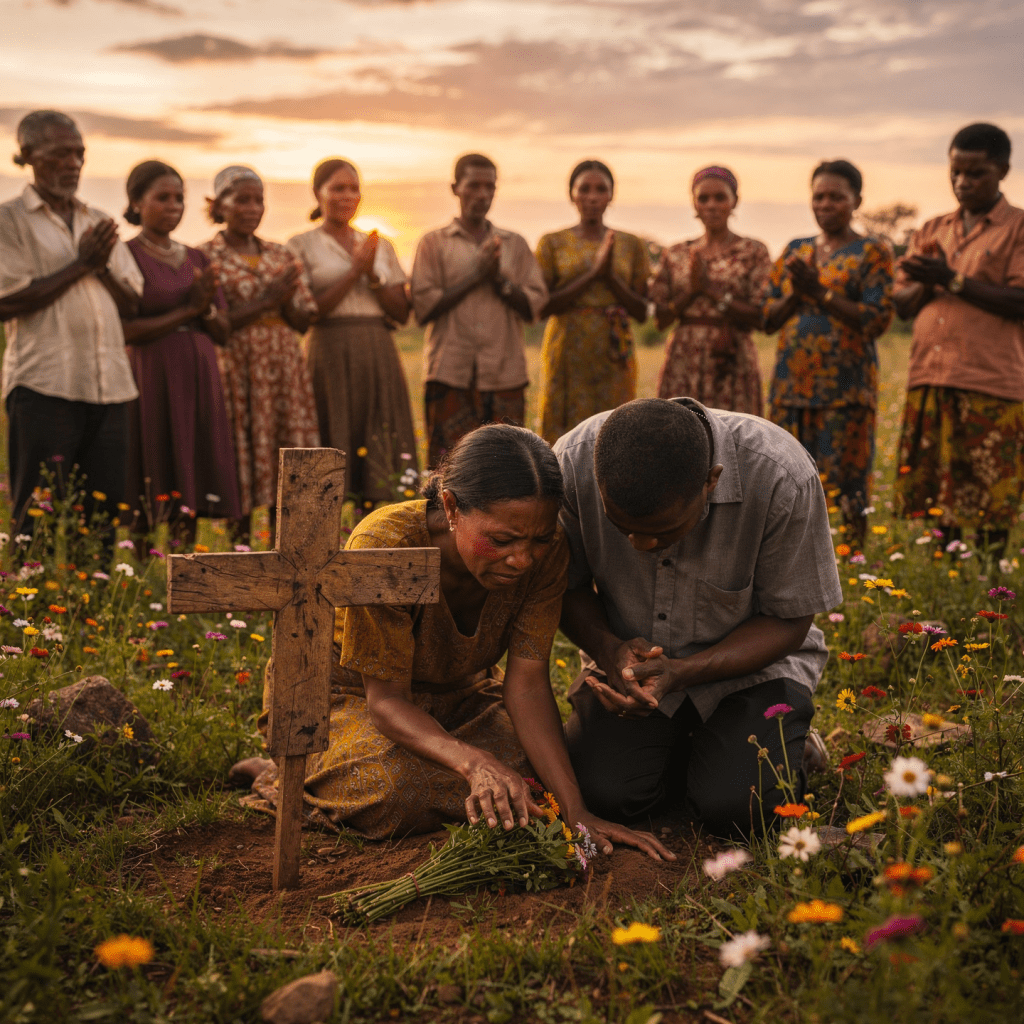
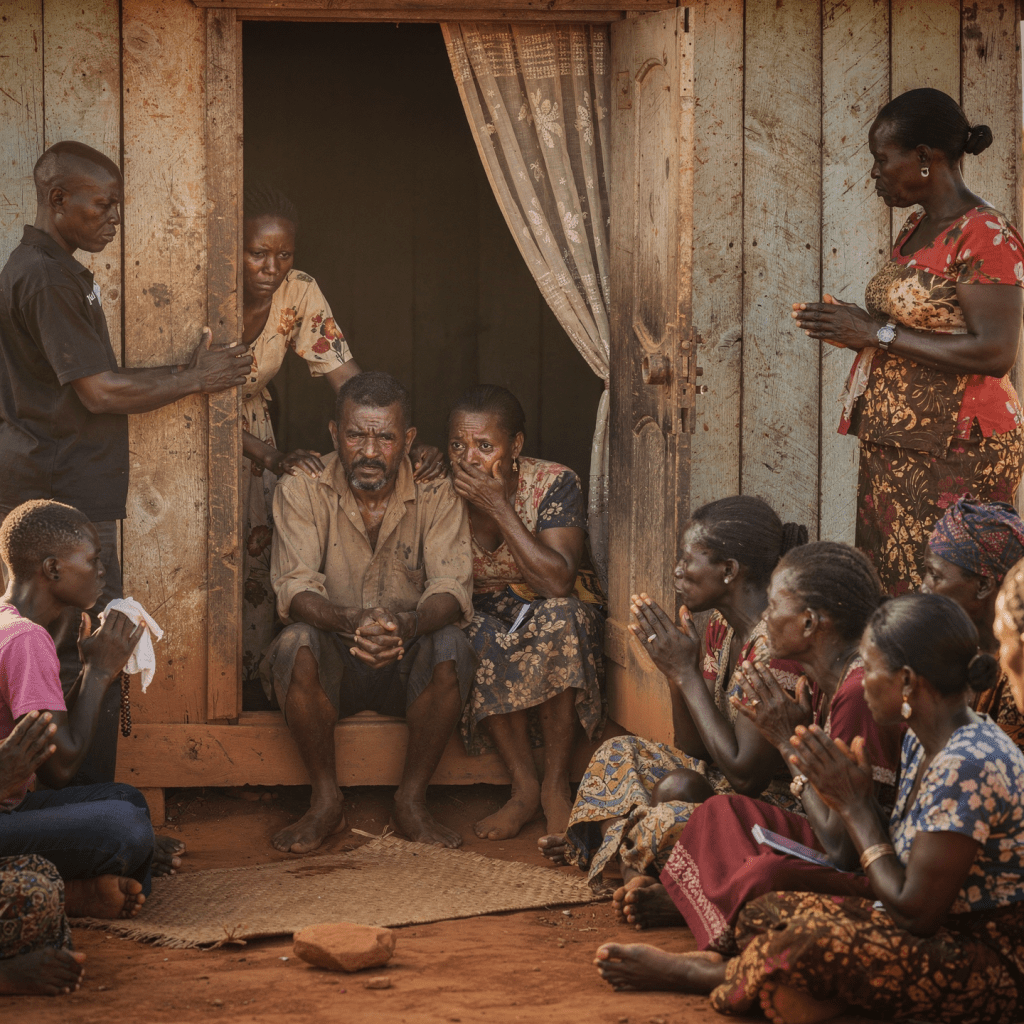
On February 5th, our dear friends lost their only son 11 days before his 11th birthday. Another friend’s 6-days old baby also died on January 29th. The death of a child ruptures the natural order of life in a way few other losses do. Parents expect to see their children grow, marry, and carry on after them—not to lay them in the ground. When this unthinkable tragedy strikes a family in our congregation, we must ask ourselves: How do we comfort grieving parents through this dark valley? How do we help them honor both their overwhelming sorrow and their calling to continue living?
The Tension Between Grief and Life
Scripture never asks us to choose between grieving and living—it calls us to both. The apostle Paul writes, “We do not want you to be uninformed, brothers, about those who are asleep, that you may not grieve as others do who have no hope…” (1 Thes 4:13). Notice carefully what Paul does not say. He does not say “do not grieve.” He acknowledges grief as the natural, God-given response to loss. Yet he qualifies it: we grieve with hope.
This is the distinctive Christian tension. We weep because death is an enemy, the wages of sin, an intruder into God’s good creation (1 Cor 15:26; Rom 6:23). Jesus himself wept at Lazarus’s tomb even knowing He would raise him minutes later (John 11:35). Our tears honor the weight of what has been lost. But we also rest in God’s sovereignty, trusting that “for those who love God all things work together for good, for those who are called according to His purposes…” (Rom 8:28). This does not mean the death was good—it means God will ultimately bring good even from this evil.
Parents who have lost a child must be given full permission to grieve deeply and for as long as necessary. There is no timeline for such sorrow. Job sat in ashes for seven days before speaking (Job 2:13). David fasted and wept while his child was dying, then rose to worship when the child died (2 Samuel 12:15-23)—not because his grief ended, but because he entrusted his child to God’s care.
Grief is not overcome; it is carried. It becomes part of who we are.
Yet grief must not become an idol that prevents parents from fulfilling the callings God has placed upon their lives. They are still spouses to each other, still parents to other children, still members of the body of Christ, still image-bearers with purposes to fulfill. The question is not whether to continue living, but how to live while carrying this profound loss. The answer lies in dependence upon God’s grace, which is sufficient even here (2 Corinthians 12:9).
The Brutal Reality of the “Firsts”
Anyone who has walked through significant loss knows that grief comes in waves, and the largest waves often crash on special occasions. For parents who have lost a child, the “firsts” are especially excruciating.
The first night returning to a home that feels emptier than it should. The first time setting the table with one fewer place. The first car ride in a vehicle that once held their child’s laughter. The first Sunday morning when they walk into church and see other families whole. The first birthday that will never be celebrated (As I publish this article, it is the birthday of one of their daughters… it will be one without him.) The first Christmas without their child’s voice…
Each “first” is its own Gethsemane, a moment when parents must cry out as Christ did, “Father, if possible, let this cup pass from me” while also surrendering to “not my will, but yours be done” (Matthew 26:39). These moments require extraordinary grace.
Friends and the church family must be especially attentive during these times. Mark your calendars. Remember the child’s birthday, the date of death, and major holidays. Reach out proactively. Your message need not be eloquent; a simple “I’m thinking of you today and praying for you” can be a lifeline. Let them know they are not alone, that their child is not forgotten.
Do not be surprised if grief that seemed manageable suddenly overwhelms them during these firsts. “A time to weep, and a time to laugh; a time to mourn, and a time to dance” (Eccl. 3:4)—and sometimes the weeping returns when we least expect it. This is normal. This is healthy. Point them again to the God who “heals the brokenhearted and binds up their wounds” (Psalm 147:3).
The Comforting Reality of God’s Sovereignty
God is sovereign even over events we cannot understand. “The LORD gave, and the LORD has taken away; blessed be the name of the LORD” (Job 1:21). This is not cold fatalism but humble submission to a God whose wisdom infinitely exceeds our own (Isaiah 55:8-9). We may never know why in this life, but we trust the character of the One who knows.
We also rest in the doctrine of God’s providence—that he works all things according to the counsel of his will (Ephesians 1:11), and that nothing, not even death itself, can separate us from his love (Romans 8:38-39).
These truths do not erase the pain, but they provide an anchor when the waves threaten to pull us under.
For parents who have lost a child, there is also the tender promise of reunion for those who die in Christ. David’s confidence that he would “go to him” though his child could not return to him (2 Sam 12:23) speaks to the biblical hope of eternal life. While we must be careful not to presume salvation for any individual apart from faith in Christ, we entrust our children to the God who is more merciful than we are, more loving than we are, and perfectly just in all his ways.
The goal is not to “get over” the loss or to “move on” as if their child never existed. The goal is to learn to live in a new reality, carrying the sorrow while also receiving the grace God provides for each day.“Therefore do not be anxious about tomorrow, for tomorrow will be anxious for itself. Sufficient for the day is its own trouble.” (Matthew 6:34). And sufficient for each day is God’s grace to sustain.
The Church’s Sacred Responsibility
The church is a family bound together by the Holy Spirit. When one member suffers, we all suffer (1 Cor 12:26). The loss of a child is not just a private tragedy—it is a wound to the entire body.
In the immediate aftermath, the church’s presence must be tangible and practical. Provide meals. Handle logistics they cannot face. Sit with them in silence when words fail. “Weep with those who weep” (Romans 12:15) is not a suggestion but a command. Your presence communicates what your words cannot: you are not abandoned.
Yet as the weeks turn to months, the church must resist two temptations.
The first is to disappear once the initial crisis passes. Grief does not follow the world’s schedule. The second wave of sorrow, when everyone else has returned to normal life, can be even harder than the first. Continue reaching out. Continue showing up. Continue remembering.
The second temptation is to smother grieving parents with constant attention, never allowing them the space to breathe, to process, to simply exist in their pain without an audience.
This is a delicate balance, requiring wisdom and discernment. Some days they need the body gathered around them; other days they need permission to withdraw and rest.
The key is to maintain consistent contact while respecting their rhythm. Check in regularly, but don’t demand immediate responses. Extend invitations without pressure to accept. Offer specific help rather than vague “let me know if you need anything.” Say, “I’m bringing dinner Tuesday—do you prefer chicken or beef?” rather than waiting for them to ask.
Create space in community life for their grief. Acknowledge the loss publicly when appropriate. Pray for them by name in corporate gatherings. Remember their child in ways that honor the parents’ wishes. Some want to speak their child’s name often; others find it too painful at first. Follow their lead.
The Indispensable Ministry of Prayer
“The prayer of a righteous person has great power as it is working” (James 5:16). If we believe this— we affirm the sovereignty of God in answer to prayer—then our intercession for grieving parents is not a nice gesture but a vital ministry.
Pray for them in your private devotions. Pray for supernatural peace that surpasses understanding to guard their hearts and minds (Philippians 4:7). Pray that God would be near to their broken hearts (Psalm 34:18). Pray for their physical health, as grief exhausts the body. Pray for their marriage, as tragedy can either unite or divide. Pray for any surviving children who are navigating their own loss. Pray for their faith to endure this fierce testing (1 Peter 1:6-7).
But also pray with them when you have opportunity. Ask permission first—not everyone is ready to pray aloud in their raw state—but if they are willing, intercede together. There is profound comfort in hearing another believer cry out to God on your behalf. Let them hear you acknowledge their pain honestly before the throne of grace. Let them hear you cling to God’s promises when they cannot find words themselves. Let them hear you ask God for strength to face the next hour, the next day.
Do not offer false comfort or trite explanations in your prayers. God does not need you to defend his ways. The book of Job reminds us that sometimes the most faithful prayer is simply, “Why?” (Job 3:11). Lament is a biblical category of prayer. The Psalms give us language for crying out in anguish while still trusting God’s character (Psalm 13, 22, 88). Teach grieving parents that they can bring their raw, unfiltered sorrow to God—he can handle it.
As a church, we walk through the valley of the shadow of death alongside our brothers and sisters, knowing that even here, we need fear no evil, for our Shepherd is with us (Psalm 23:4). We provide love without smothering, space without abandoning, truth without triteness, and hope without minimizing pain.
To parents in the midst of this unimaginable loss: your grief honors the love you have for your child. Take all the time you need. Lean on the body of Christ. Cry out to God with everything in you. And when you cannot pray, let us pray for you and with you.The God who collects every tear in his bottle (Psalm 56:8) sees you, knows you, and will carry you through.