“Fight the good fight of faith. Take hold of the eternal life to which you were called, and you made the good confession in the presence of many witnesses.” — 1 Timothy 6:12 (LSB)
A new year begins with its set of joys, hopes, victories, successes, trials, failures, disappointments, betrayal, grief, and pain. For the Christian, it’s a continuity of life under the sun: it is a fight, but a good fight.
The apostle Paul’s exhortation to Timothy rings as true today as it did in the first century. We are called to fight, not with carnal weapons or human strength, but with faith that anchors us to Christ and sustains us through every season. This is not a fight we wage once and finish, but a daily, lifelong battle that requires perseverance in four essential areas.
A Fight for Discipline (The Mind)
The Christian life begins in the mind, where the war between truth and deception, godliness and compromise, is first waged. Paul commands us, “Do not be conformed to this world, but be transformed by the renewing of your mind, so that you may prove what the will of God is, that which is good and acceptable and perfect” (Romans 12:2).
Our minds must be brought into captivity to Christ. Every thought, every imagination, every intellectual pursuit must bow before the lordship of Jesus. This requires intentional discipline: saturating ourselves in Scripture, rejecting the worldly philosophies that bombard us daily, and training our minds to think God’s thoughts after Him.
The Puritan Thomas Watson wrote, “The reason why Christians are no more spiritual is because they do not exercise themselves more in meditation.”
We cannot grow in godliness without disciplining our minds to dwell on what is true, honorable, just, pure, lovely, and commendable (Philippians 4:8).
Paul Washer recently shared about the reality of the fight for every believer, whether “famous” or unknown, and how discipline in the means of grace matters in that fight. Mental discipline is not optional for the believer; it is the foundation upon which all other spiritual battles are fought.
A Fight for Holy Affections (The Heart)
While the mind must be renewed, the heart must be set aflame with love for God. Jesus declared the greatest commandment: “You shall love the Lord your God with all your heart, and with all your soul, and with all your mind” (Matthew 22:37). Our affections reveal what we truly worship, and the Christian must constantly war against misplaced loves.
The world, the flesh, and the devil conspire to turn our hearts toward temporal pleasures, earthly security, and self-centered ambitions. John reminds us, “Do not love the world nor the things in the world. If anyone loves the world, the love of the Father is not in him” (1 John 2:15).
We must daily crucify our old desires and cultivate a burning passion for Christ that outshines every competing affection.
John Owen, the great Puritan theologian, understood this battle well: “Be killing sin or it will be killing you.” Our hearts are battlegrounds where holy affections must triumph over sinful desires. This requires constant vigilance, prayer, and a deepening intimacy with the One who is altogether lovely.
We must feed our souls on the beauty of Christ through His Word, worship, and communion with His people, so that our hearts increasingly find their satisfaction in Him alone.
A Fight for Fruitfulness (Good Works)
Faith without works is dead, James reminds us (James 2:26). The genuine believer is not merely called to mental assent or emotional experience, but to a life marked by the fruit of the Spirit and good works prepared beforehand by God (Ephesians 2:10). Paul exhorts, “Walk in a manner worthy of the calling with which you have been called” (Ephesians 4:1).
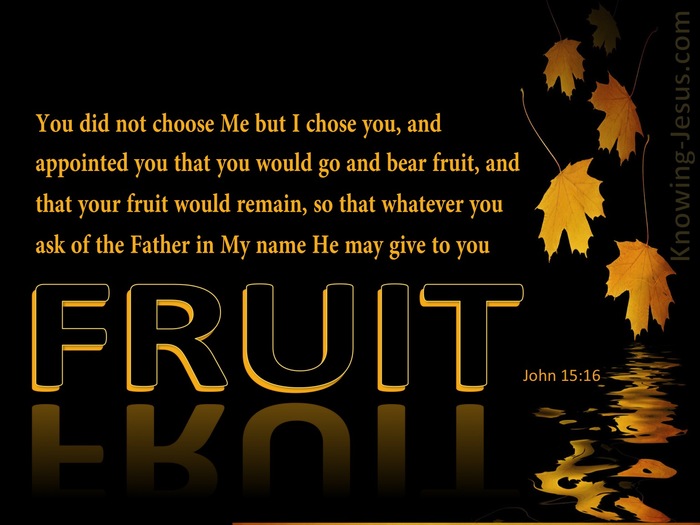
Fruitfulness requires effort. We must abide in Christ, the true vine, allowing His life to flow through us and produce lasting fruit (John 15:5). This means actively pursuing righteousness, serving others sacrificially, sharing the gospel boldly, and allowing God to shape our character into the image of His Son. It means fighting against spiritual barrenness, laziness, and the comfortable Christianity that produces nothing of eternal value.
“Use every talent God has given you, and God will give you more talents.” Richard Baxter
Every day is an opportunity to bear fruit for God’s kingdom. Whether in our families, workplaces, churches, or communities, we must fight against complacency and actively pursue lives that glorify God and bless others. The world is watching, and our fruitfulness either adorns the gospel or discredits it.
A Fight for Faithfulness
Above all else, God calls us to faithfulness. When all is said and done, when our earthly race is complete, the commendation we long to hear is not “Well done, successful servant,” but “Well done, good and faithful servant” (Matthew 25:21).
Faithfulness is demonstrated not in spectacular achievements but in consistent obedience over time. It’s showing up day after day to pray, to read God’s Word, to resist temptation, to love difficult people, to steward our resources wisely, and to trust God when circumstances make no sense. Paul reminds us, “It is required of stewards that one be found faithful” (1 Corinthians 4:2).
The fight for faithfulness is perhaps the most challenging because it demands perseverance without the promise of earthly reward. We may not see dramatic results. We may labor in obscurity. We may face setbacks, criticism, and seasons of apparent failure. But God is not looking for perfection or impressive résumés; He is looking for those who remain faithful to the end.
Thomas Brooks encouraged believers with these words:
“Faithfulness in little things will prepare you for faithfulness in great things.”
God tests our faithfulness in the small, hidden moments before entrusting us with greater responsibility. He looks for those who will remain true when no one is watching, who will obey when obedience is costly, and who will trust Him when understanding fails.
As we journey through 2026, let us embrace Paul’s charge to Timothy as our own. The good fight of faith is not fought once but daily, in our minds, hearts, and actions. It requires discipline, holy affections, fruitfulness, and above all, faithfulness to the One who has called us.
If the Lord tarries and doesn’t return in 2026, may He find us faithful throughout this year. May we fight well, not in our own strength but in the power of His grace. May our lives reflect the reality that we have taken hold of eternal life and that we are living in light of the good confession we have made before many witnesses.
The fight is good because our Commander is glorious, our cause is worthy, and our victory is certain. “Thanks be to God, who gives us the victory through our Lord Jesus Christ” (1 Corinthians 15:57).
Press on, soldiers of the cross. Fight the good fight. Remain faithful.
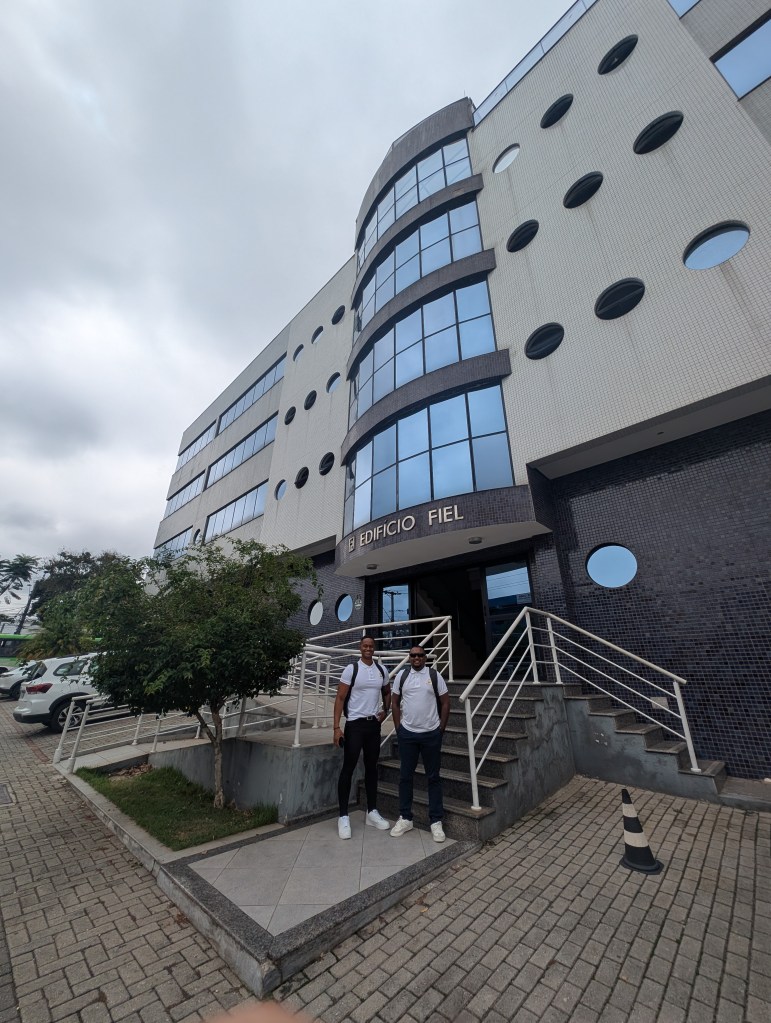
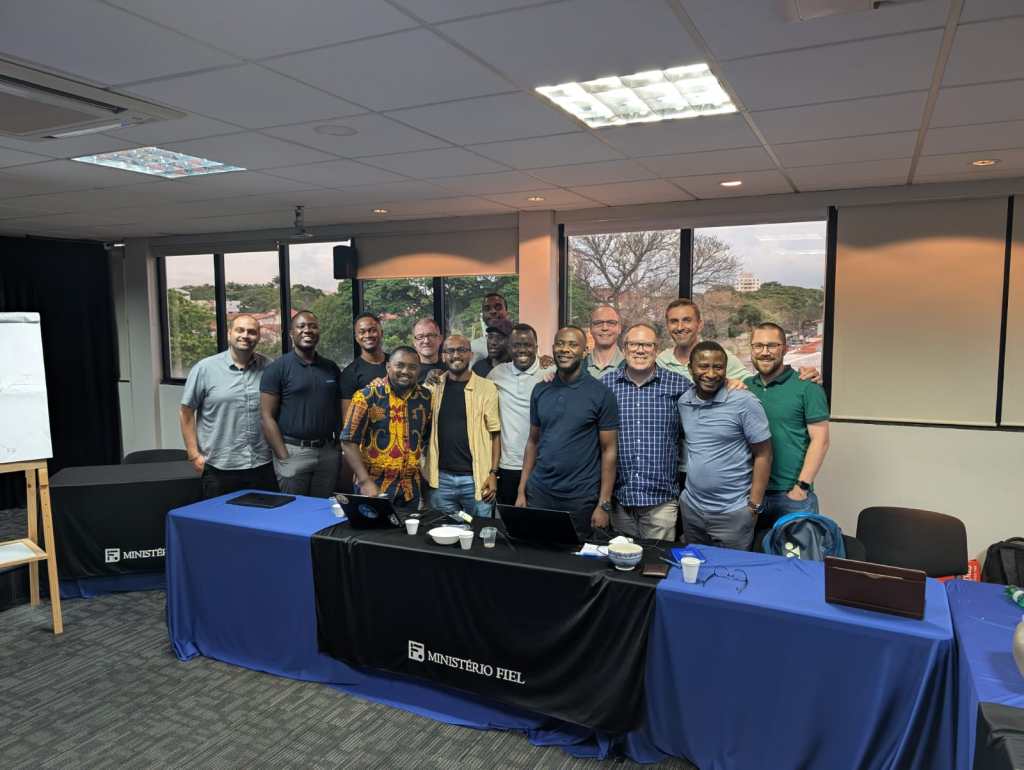
By God’s amazing grace, I have visited my 65th country with a trip to San Jose Dos Campos to attend an intensive training on Publishing organized by Desiring God.
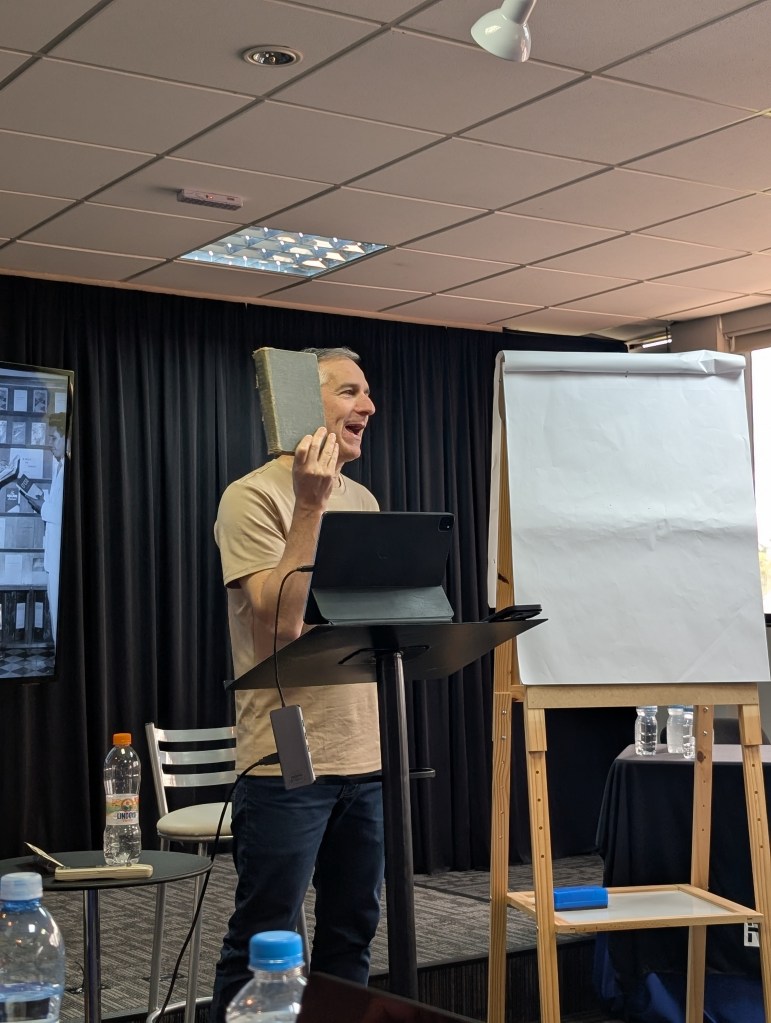
Rather than only sharing my impressions from my time in this beautiful nation, I would rather give you my main take-aways from the training, and from my time at Editoria Fiel with the other publishing ministries from around the world that were represented.
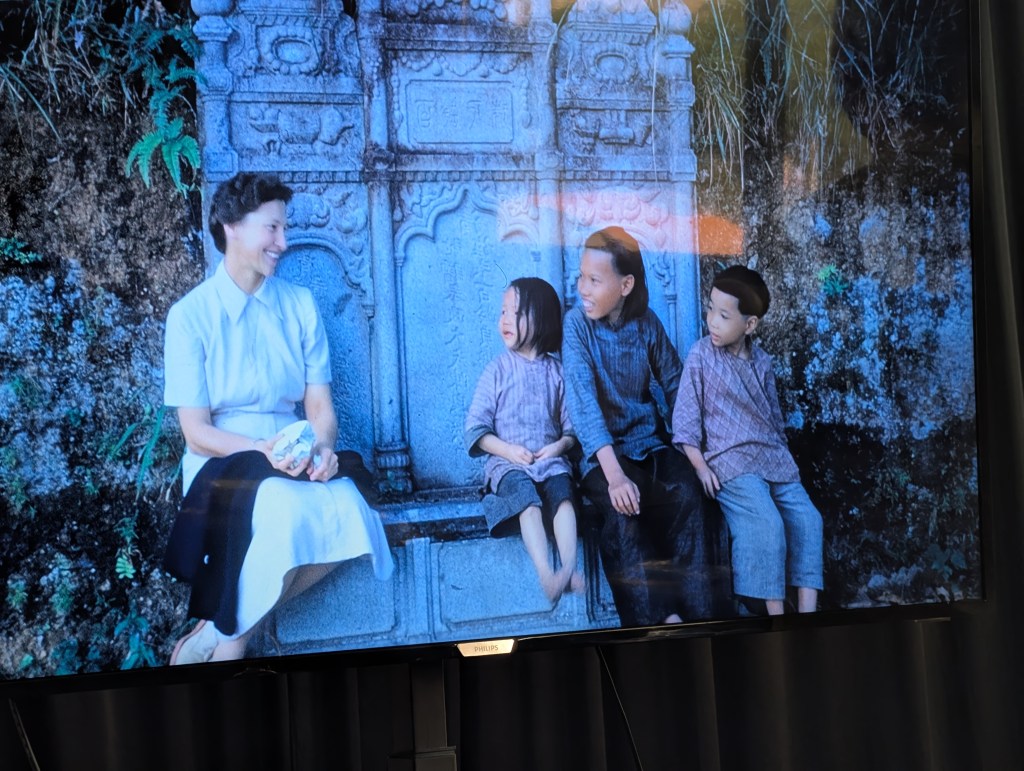
2 missionaries, Jim and Aletha Denham, left California 60 years ago on a boat to go to China. After a few years there, with the advent of communist government in 1949, they had to leave and move to the jungles of Brazil.
Then, health issues with malaria forced them to move to the city of Manaus where their son Richard and his wife Pearl joined them. In a divine encounter, they met Bill Barkley, “Banner of Truth Magazine” and started a Christian publishing ministry and a bookstore.
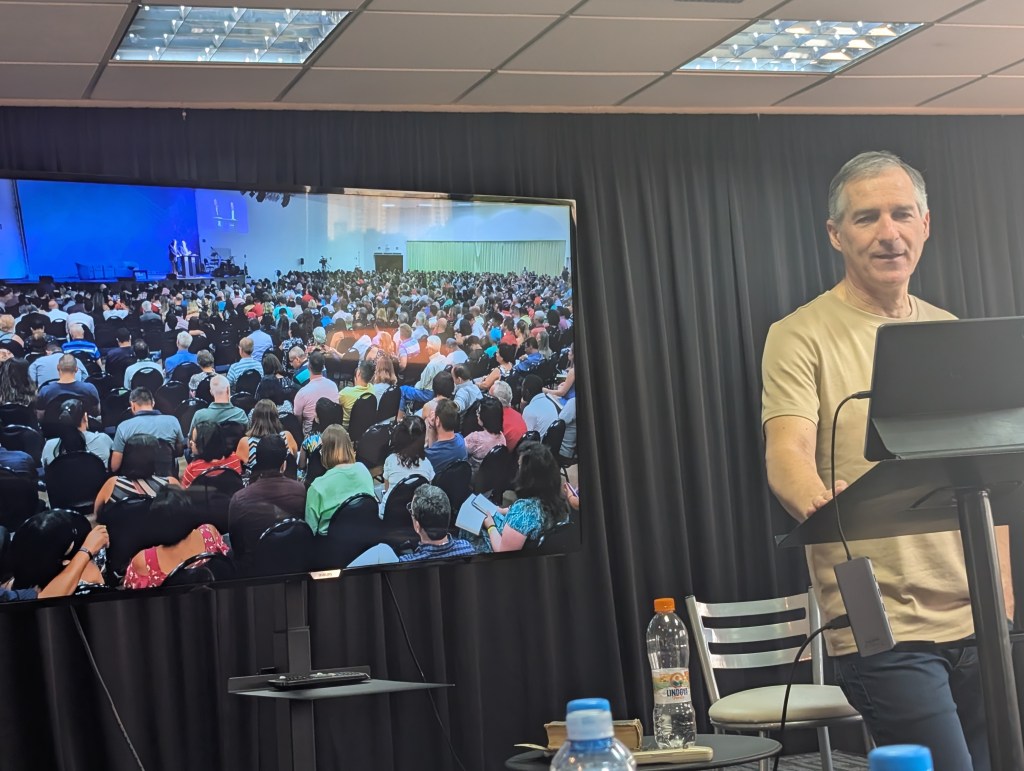
The Denhams moved to the city of São José dos Campos in the 1980’s, where they founded Grace Baptist Church alongside two other families. Seeing the need for well-trained church leadership, Rich started the annual Fiel Conference for pastors and leaders which today attracts over 2,000 people each year. In 2004, Rick and his wife Kimberlie moved to Brazil and took over the FIEL ministry.
Today, Thiago Santos heads a multi-branch ministry that thrives and serves the church in the Portuguese-speaking world.
This abridged three-generation story provides us with a recipe for faithfulness and fruitfulness for a publishing ecosystem:
1- Sovereign Bearing
The hand of God has been all over the Denham family. We can see God leading them, protecting them, directing them where He wanted them to be. The same hand directed the ministry as it developed and brought along all those who contributed to it.
The same sovereign God reigns over every minute and molecule today and forever. The same sovereign God has decreed both the successes and failures of our ministry endeavors, all for His glory and our eternal good.
2- Small Beginnings
When Jim and Aletha arrived in Brazil, they didn’t receive the warmest of welcomes. They were not allowed to live in the Catholic houses available in the village. They had to ask military guards of 20 people to protect them as people tried to kill them. Joined by their children, Richard and Pearl, they moved to the city of Manaus as Pearl almost died several times of malaria.
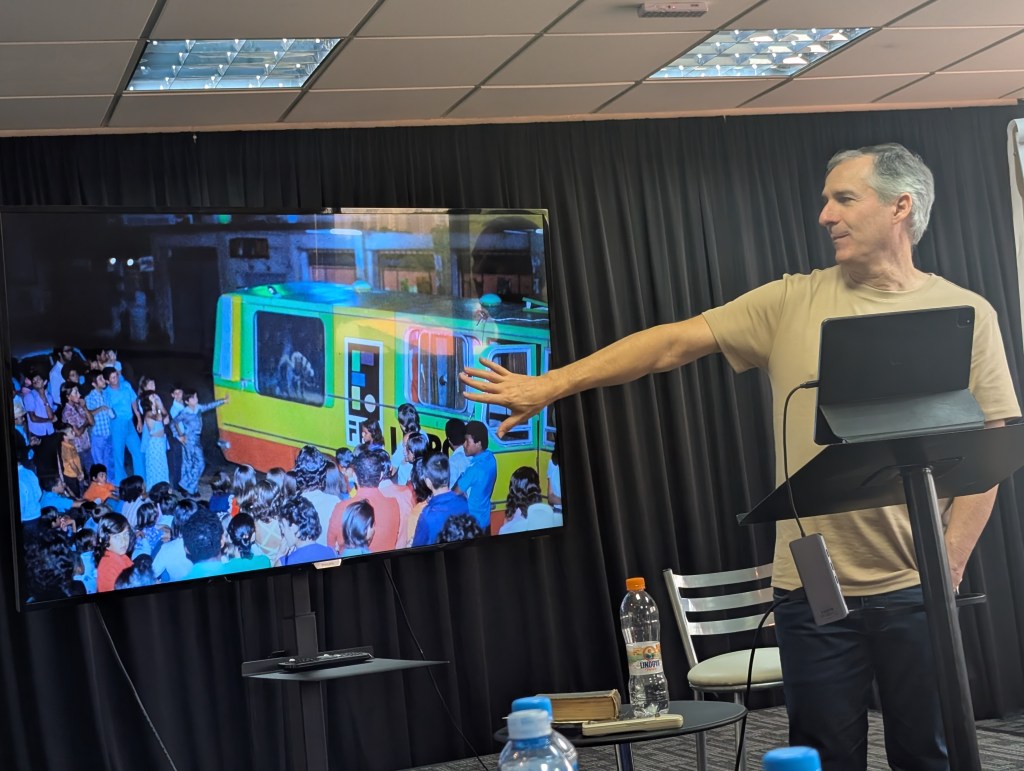
Richard started a Christian Publisher with a bookstore called “The Bookstore of the Christian Home” where he sold booklets and paintings. He then acquired a print shop and a bus which he fitted with a glass window to project movies. The Denham family then moved to Sao Paulo, as it was the heart of the country. They wanted to be close to schools and universities where ideas spread.
FIEL became a ministry of spreading ideas through conferences, media and books.
The same sovereign God wants us to be faithful with little, trusting and depending on Him to take care of the breadth of our ministry to Him.
3- Sustained Blessing
The humble beginnings saw unremitting blessings and a strengthening presence of the hand of God in the ministry of Fiel. They were able to complete the building they are still using today in 2010. And the ministry is thriving through:
Excellence and dedication of the team, at every level
Wise and tight financial stewardship, enabling them to be fully self-sustained
Reaching out to both churches and individuals in need of Christian resources
The prayers of many for God’s continued providence
That same sovereign God wants to bless those who are faithful. The fountains of God’s blessings will never run dry. His grace will always outgive us, if we stay faithful.
4- Steady Bereanism
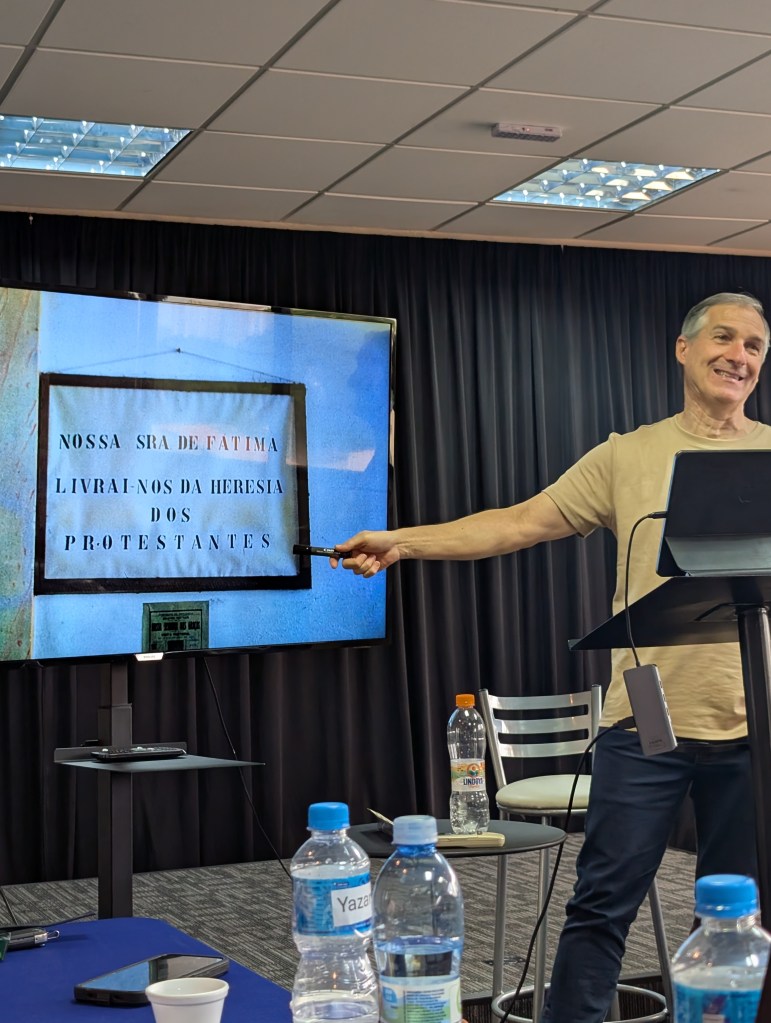
The Scripture-centeredness of the ministry of FIEL is a rebuke and an encouragement to all believers. Despite the prevalence in Brazil of the Catholic Church and the prosperity movement, Editoria Fiel remains faithful to Sol Scriptura, uncompromising on truth, engaging theological differences with an irenic tone and respect, and thus being more known for what they are for rather than what they are against.
The ministry also includes the Martin Buser Theological Seminary, where minds are renewed through the teaching of the Word, and hearts are bent towards affection for Christ through the applying of the Word to every circumstance of life.
The same sovereign God commands us to be Ezras for our days, to set our hearts to study the law of Yahweh and to practice it, and then to teach His statutes and judgments (Ezra 7:10).
5- Stewarded Broadcasting
During our meeting this week, Pastor Yazan from Jordan gave the charge from 2 Tim 4:1-8 that publishing is not about producing written content but to proclaim divine truth. He called us to be faithful even if it costs us financially or causes some people to reject us and/or our ministry. Some titles may not sell as well as the others, but our target must be faithfulness to God and His Gospel.
“People want what comforts them, not what changes them…they want comfort without cost!… Don’t be tempted to polish the books to please the crowds and boost the sales… The proclamation of truth is about Declaration not Decoration!”
Pastor Yazan Milkonian
The same sovereign God calls us today to proclaim divine truths, to spread as far and wide the name of Christ and His precepts, that He would be glorified unto the ends of the earth.
I am enthralled and grateful to see how God continues to advance His kingdom using the hutzpah and hardiness of those brothers and sisters involved in Publishing.
At 3M Publishing, we pray to remain faithful to the charge and continue to spread biblical ideas to the glory of God.
My name is Joy Emmanuelle Ravoahangy, and I am Malagasy. I am not poor, in fact I am far more privileged than many of my brothers and sisters in this country. But privilege does not blind me. On the contrary, it compels me to see and to speak. I speak up because I have the ability to, and because all my life I have witnessed the poverty and the struggles the average Malagasy person has had to endure.
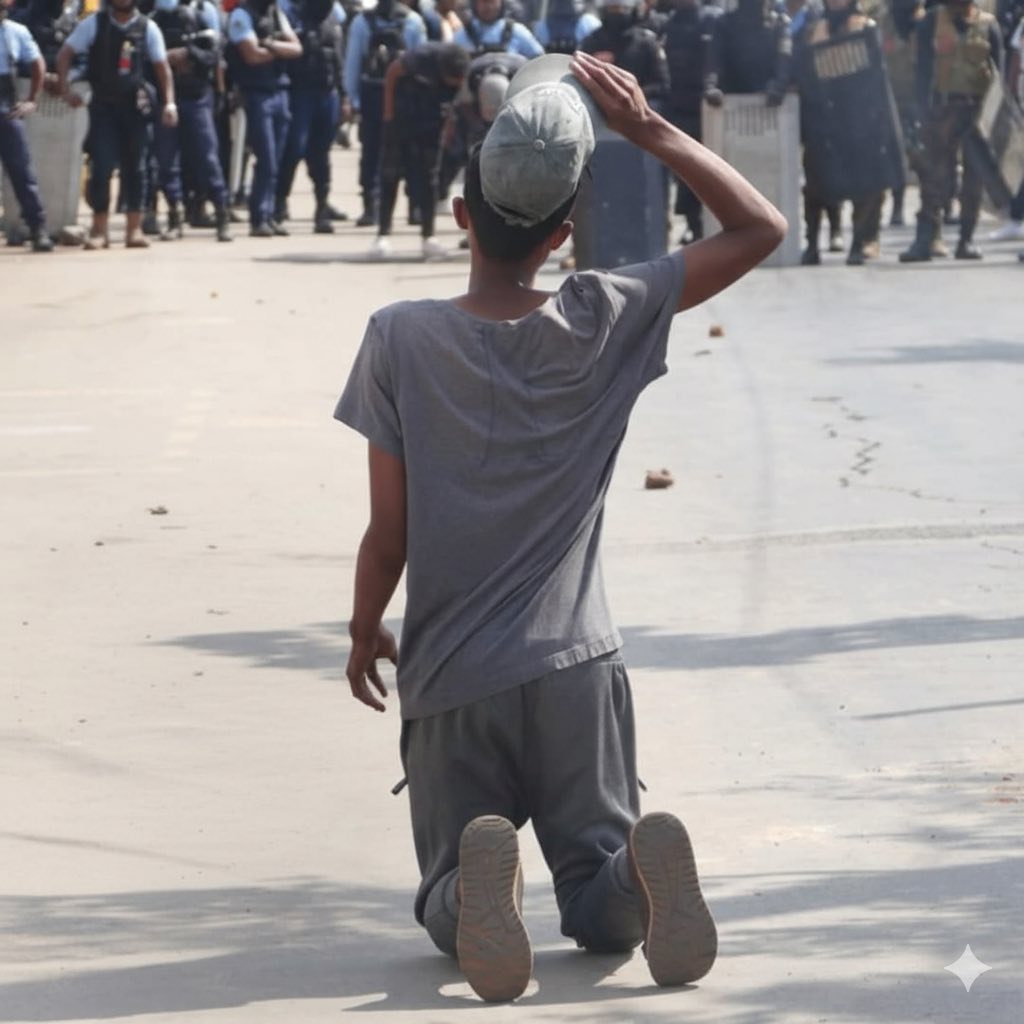
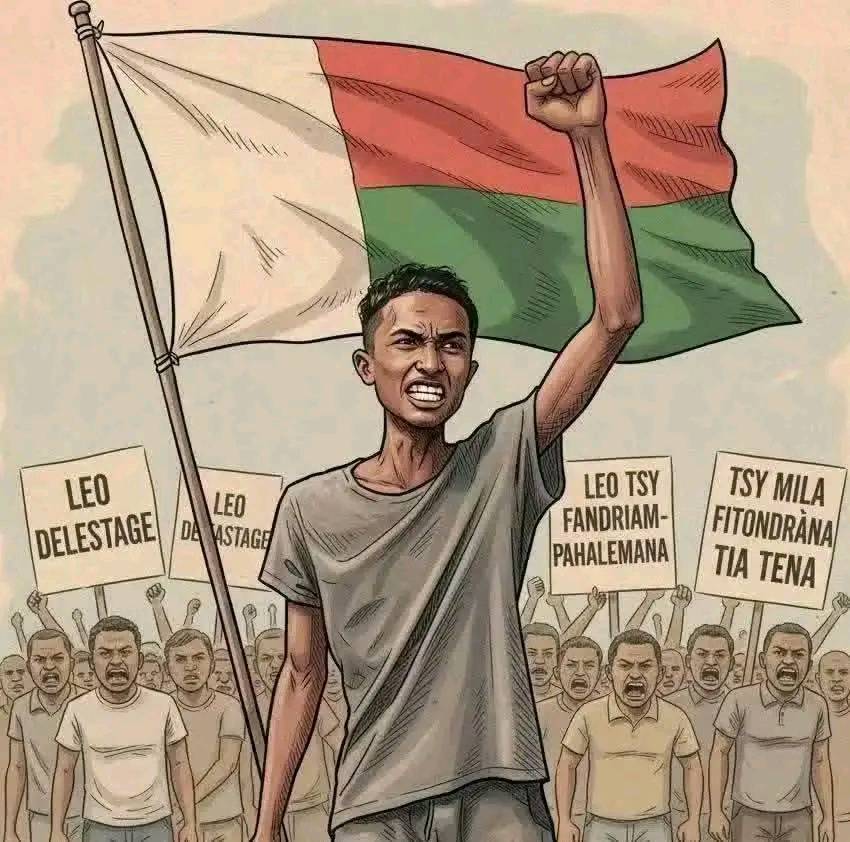
On September 25, 2025, Madagascar cried out. What the world has called Le Jeudi Noir, Black Thursday, was not just another day of unrest. It was a moment when a nation, long silenced by resignation and weariness, chose to stand. Across cities and villages, from Antananarivo to the coasts, people poured into the streets. They were not only protesting water shortages or blackouts. They were declaring: we will no longer accept being stripped of our dignity.
What happened on that Thursday was not born out of destruction, it was born out of years of neglect. Out of lives lived in darkness, literally and figuratively. Out of promises made by those in power that were broken again and again.
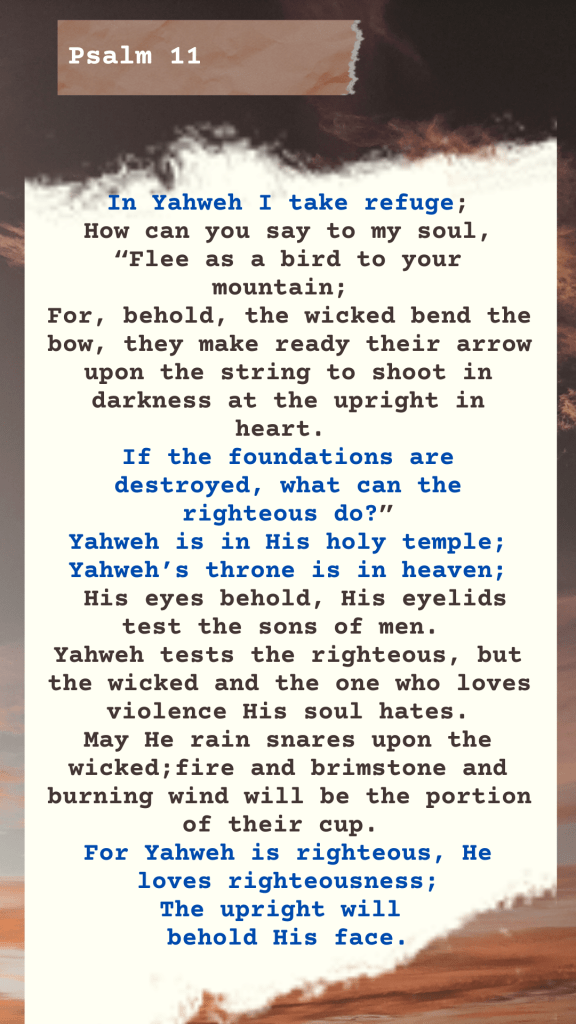
As a Christian, I cannot separate what I witnessed from what Scripture teaches. Psalm 11 asks: “When the foundations are being destroyed, what can the righteous do?” This is the question that echoes through Madagascar today. Our foundations, justice, honesty, the right to live with dignity, feel shattered. And yet, the psalm does not leave us in despair. It reminds us that the Lord is righteous, that He loves justice, and that the upright will see His face.
But as the protests grew, so did the chaos. In the clashes between police and protesters, innocent people were shot, some left unalive, and fear turned the streets into something unrecognizable. And in that chaos, desperation took its chance. Shops were raided, fires blazed through the night, windows were shattered, and goods were carried away in arms that have known only lack.
I do not write this to glorify destruction, nor to excuse it. But I also refuse to reduce my people to the image of violent men creeping through the dark. Those who broke into stores that night were not monsters. They were Malagasy, shaped by poverty so deep it corrodes the mind. When given an unexpected opportunity to grasp what they have been denied their whole lives, many took it, not out of greed, but out of hunger, out of exhaustion, out of hopelessness.
And there are whispers, rumors spreading like smoke, that some of these raids were not spontaneous at all. That people were paid to do it, paid as little as 15,000 ariary, which is barely more than three US dollars. If that is true, then what does it say about us as a nation? That the government, or those aligned with it, could turn the suffering of its own people into a weapon against them? That desperation itself could be bought and sold, and once again the poor were controlled, and not freed?
These were not dangerous criminals in the truest sense. They were a struggling group, pushed into the margins, manipulated in the shadows, and then paraded before the world as proof that Malagasy voices are violent and chaotic. But I know, and now you know, that this is not the truth.
It was not simply chaos, it was a call to remember who we are. A people created in the image of God. A people with the right to live, to hope, to flourish. A people who will not remain silent while our foundations crumble.
I write this not as a distant observer, but as a citizen of Madagascar. I feel the weight of frustration, the yearning for change, the cry for something better. And I believe my people are called, not to despair, but to courage. To stand firm in truth. To demand justice with boldness and to rebuild with faith. Black Thursday must not fade into history as just another protest. It must be remembered as the day when Malagasy voices joined together to say: enough. Not in hatred, but in hope. Not in bitterness, but in resolve. So I ask you to pray with us, and to call on God to bring justice, to heal our land, and to lift up the weary. For it is written, “The Lord will fight for you; you need only to be still.” (Exodus 14:14). Together, let us place our hope in Him, trusting that He will avenge and restore. Because our story is not finished, and our God has not abandoned us.
Emmanuelle Ravoahangy is a 15-year old writer who loves music, writing, and reading. Here are her contacts if you care to ask her questions or discuss her perspective as a third-culture Christian teenager in Madagascar, in this day and age.
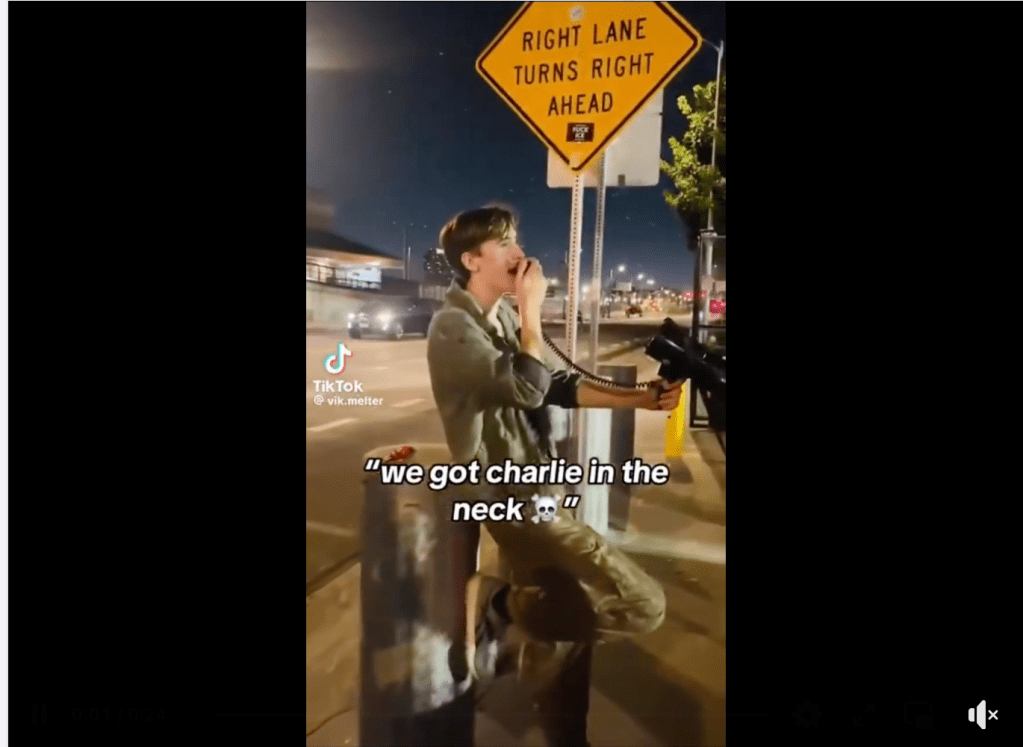
Recent events in our society have left us grappling with profound moral questions. The stabbings of individuals like Iryna Zartuska, the hostility towards Charlie Kirk following his tragic death, and the callousness reflected in memes celebrating violence all signal a deep fracture in our social fabric. These incidents urge us to examine our collective conscience and the implications for the Christian faith in the face of such moral decay.
Apathy in the Face of Violence
The act of standing by while someone suffers—like when Iryna Zartuska was stabbed—reveals a troubling trend of desensitization and neglect. From a Christian perspective, this apathy contradicts the Gospel imperative to love our neighbors and to act justly (Micah 6:8). Speaking against injustice and defending the vulnerable are not mere suggestions; they are fundamental tenets of our faith. Scripture calls us to embody Christ’s love actively, and in moments of crisis, failing to intervene signifies a spiritual lethargy that undermines our witness.
The Celebration of Death
Similarly, the reaction to Charlie Kirk, who was met with derision and celebrations of his death for holding differing political and religious views, speaks volumes about our societal sickness. Christians believe in the sanctity of life, echoing the sentiment that every individual is created in the image of God (Genesis 1:27). The juxtaposition of celebratory responses to Kirk’s death against a backdrop of personal beliefs showcases the division and moral blindness that prevail in contemporary discourse. To liken him to a Nazi, dismissing his value based on ideology, elevates hatred over compassion, reflecting a chilling departure from Christ-like love.
The Disturbing Normalization of Violence
The emergence of memes that trivialize gun violence dilutes the gravity of life and death. Humor rooted in tragedy not only desensitizes audiences but also normalizes a culture of violence. In Ephesians 4:29, we are called to let no corrupting talk come out of our mouths; rather, we should speak words that edify and uplift. The rise of such memes speaks to a society increasingly disconnected from the serious implications of its words and actions, indicating a spiritual malaise that Christians are called to address.
Finding Hope Amidst Despair
Yet, amidst these dark reflections, we, as Christians, find encouragement in the teachings of Scripture and the resilience of our faith. In Philippians 1, the apostle Paul, despite facing imprisonment and persecution, exemplified how adversity can indeed advance the Gospel (Philippians 1:12). His unwavering commitment reminds us that when evil seems to reign, God remains sovereign, and His purposes will not be thwarted.
1. Encouraging Intercession: These events may drive Christians towards deeper petition, fostering an active prayer life for one another (Phil 1:3-4). In a time when society feels chaotic, prayer becomes a vital lifeline, uniting us in faith and hope.
2. Rallying for the Gospel:In troubled times, believers can come together in common purpose—spreading the message of the Gospel (Phil 1:5). Persecution and hardship can galvanize us to reflect our faith more authentically and be heralds of truth in a fractured world.
3. Preparing for Eternity: Contemplating the fragility of life as seen in these tragedies can prompt Christians to evaluate their readiness to meet God (Phil 1:6-11). Each day is a gift, and with it comes the opportunity to share our faith with urgency (Eph 5:16).
4. Boldness Against Wickedness: The current climate can inspire believers to be bolder in their witness and stand against moral decay (Philippians 1:14, 18, 20). Our response should be rooted in love but assertive in proclaiming the truth of the Gospel.
5. Bolstered by Martyrdom: Tragically, the finality of Kirk’s death serves as his last, somber “debate platform,” reflecting Philippians 1:21, where living is Christ and dying is gain. His testimony challenges us to consider how we live and die for the Gospel.
6. Revealing Society’s Evil: These events compel us to confront the evil that permeates our culture; the piling judgment reflects a deep need for repentance and revival (Philippians 1:28). We are called to expose darkness and champion light.
7. Sifting Genuine Faith: Ultimately, these crises serve to differentiate between true followers of Christ and those who merely wear the label. The call to suffer for Christ is a gift of grace, and it beckons genuine believers to step forward in faith (Philippians 1:29-30).
Let’s Keep Shining
In a society grappling with moral relativism, Christians are called to rise above the fray—embodying love, promoting justice, and speaking truth. Unwavering hope in God’s plan should illuminate our path, urging us to pray, act, and share the profound truth of the Gospel. While the landscape may seem bleak, we must remember that the light of Christ shines brightest amidst darkness, and His truth cannot be hindered.
May we, as part of His body, respond with grace, compassion, and boldness in these challenging times.
“How are you Fitahiana?” He moved his hand to signify that he is so-so. As we communicated through questions from me and hand movements from him, he explained to me that he is tired, emotionally exhausted, in pain, that he has had enough, that he wonders when this would end, and he would finally be fine again. I tried to encourage him from Scripture as much as I could. I cried with him and tried to make him smile…
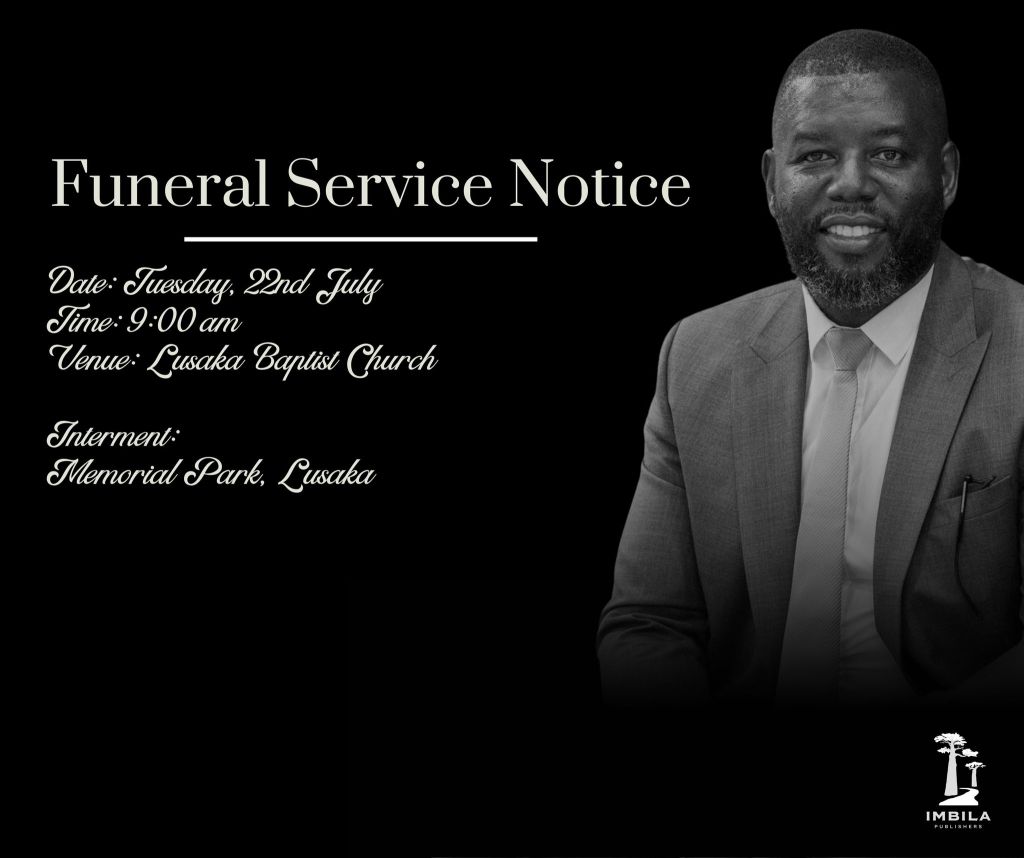
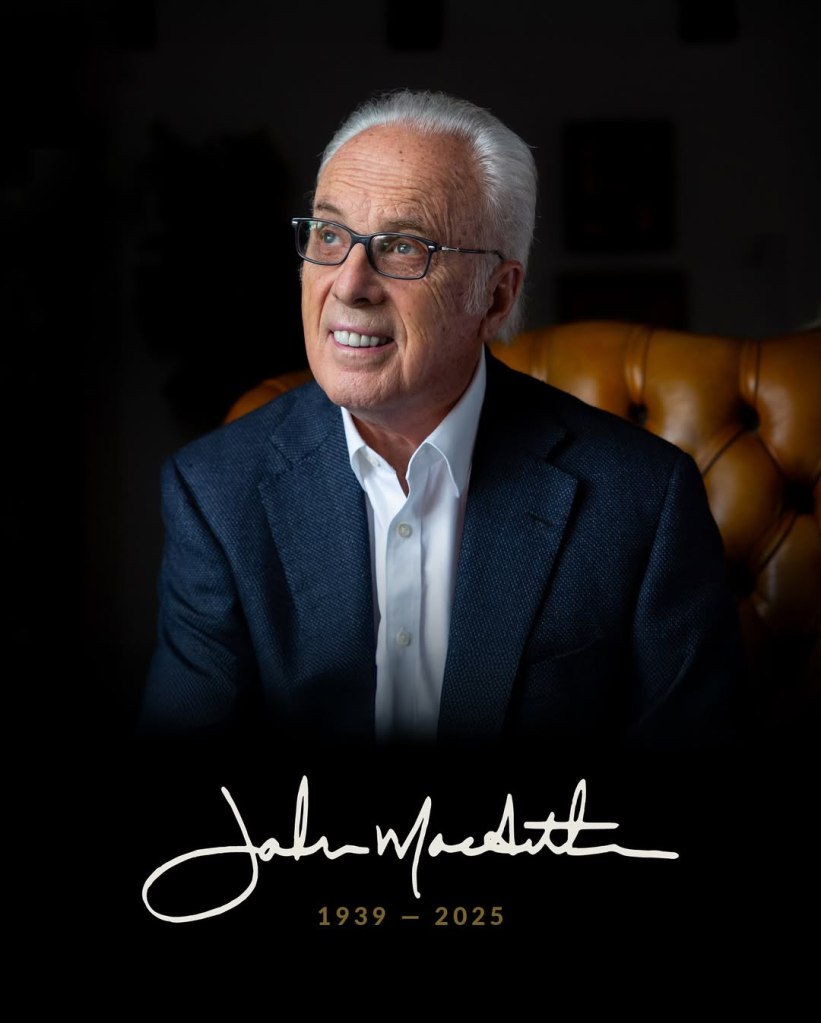
It was one of the most difficult weeks I have ever been through with the passing of Pst John MacArthur, the passing of Saidi Francis Chishimba, a Zambian brother I got to know through Christian Publishing, the passing of Nombana and Antsa, taking the number of people dying through the food poisoning incident of June 14th to 31. 😭
The death of people aged 17 to 86 years old is a vivid reminder that life is but a vapor, and one day we will all stand before God to give an account (Heb 9:27).
However, can we even imagine how the past month has been for Fitahiana? 😭😭
He has been on this hospital bed for over a month now, almost completely paralyzed. Since June 15th, he has had to process the death of his sister, and the one-by-one death of the 4 other people that shared the room with him, including his cousin, Kasaina. He heard the doctors trying to resuscitate them to no avail. He heard the cries of the family members who lost loved ones. He doesn’t know anything of all the judicial and political circus going on outside, but what he knows is that he is still there on that bed, alone in that room. And what we know is that no antidote nor curative medicine is given to him yet. He is getting better, but so did Nombana before dying.
In an age dominated by rapid information flow, people find it challenging to stay engaged with prolonged crises. The allure of new trends and the constant bombardment of notifications lead to waning interest; once the initial shock wears off, individuals quickly move on to the next headline. Social media and news outlets thrive on rapid-fire updates, encouraging a culture where everyone urges to “move on.” Events that once captivated public interest swiftly lose their urgency, replaced by the next trending topic, meme, or viral sensation. The continuous influx of events creates a desensitization effect, where societal empathy becomes diluted. Each tragedy, each emergency competes for attention, making it easy to forget the past crises that once gripped public consciousness.
In our increasingly self-centered society, many find it hard to prioritize collective problems over personal interests. The relentless hustle for personal success often sidelines the struggles of others, leading to a culture where empathy towards collective emergencies dwindles. This is exacerbated by those who benefit from others’ predicaments. Profiting from chaos and misfortune, these individuals, be it in business or politics, resist resolving the issues, as their interests are intertwined with the persistence of such crises.
Attempting to maintain a state of emergency is inherently exhausting. The emotional toll of constant alertness and vigilance is unsustainable, leaving individuals burned out and seeking solace in ignoring the ongoing issues.
I would thus want to make an appeal for Fitahiana and the 8 others that are still fighting for their life at this hospital: let’s not move on from this. Please continue to pray for them. Please continue to pray for the families who lost a loved one.
But at a more critical level, this exhausting situation mirrors a deeper, spiritual emergency. The Bible speaks of a different kind of poisoning: sin. Rather than pursuing repentance and liberation, many tend to play with sin, allowing it to persist. John Owen poignantly stated, “Be killing sin or it will be killing you.” This quote highlights the urgency of addressing our moral failures instead of letting them fester.
As Christians, we are called not only to recognize this spiritual emergency but to act upon it. The scripture reminds us in 2 Peter 3:9, “The Lord is not slow about His promise, as some consider slowness, but is patient toward you, not willing for any to perish but for all to come to repentance.” This calls for a collective turning back to God, repenting for our sins.
Let us remain alert, understanding that while societal emergencies may fade, the need for spiritual awakening and search and rescue missions for dying souls is ever-present. Each moment is an opportunity for Christians to share the gospel, extend mercy, and act as beacons of hope in a world distracted by fleeting crises, ensuring that we never lose sight of the ultimate state of emergency that affects every soul.
It is quite difficult to summarize a whole year from a Christian perspective. Many affirm that the influence of Christianity, especially in Western countries, has reached historic lows. However, others notice a resurgence of Evangelical Christianity with many public displays of faith such as the March for Jesus in Dublin, with organizers estimating up to 12,000 attendees, on October 26th.
Three ‘events’ that took place this summer epitomize 2024 for global Christianity.
1- Elon Musk and Cultural Christianity
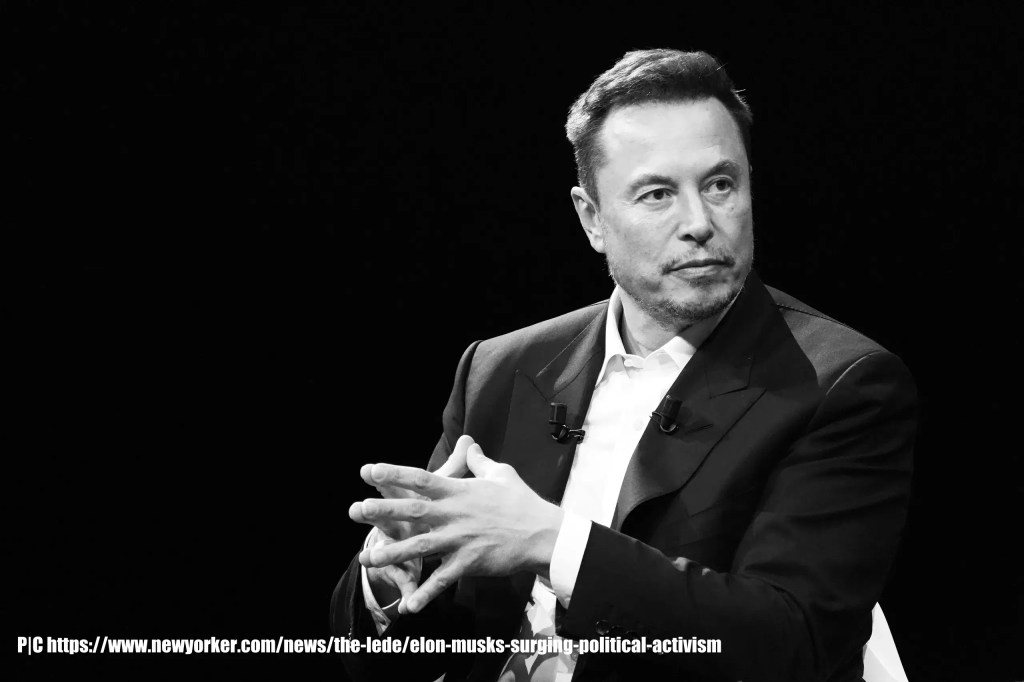
Elon Musk, the founder of SpaceX and Tesla, is often associated with innovation and technology rather than overtly religious beliefs. In an interview with Jordan Peterson on July 23rd, Elon Musk, indubitably the richest and one of the most powerful men in the world, declared himself to be “a cultural Christian”. Musk, who in the past identified as an atheist or an agnostic, divulged his admiration for Christianity:
“While I’m not a particularly religious person, I do believe that the teachings of Jesus are good and wise. … I would say I’m probably a cultural Christian. There’s tremendous wisdom in turning the other cheek.”
He went on to say that Christian beliefs,
“result in the greatest happiness for humanity, considering not just the present, but all future humans. … I’m actually a big believer in the principles of Christianity. I think they’re very good.“
A few days later, in response to the Olympics’ opening ceremony, Musk said “Unless there is more bravery to stand up for what is fair and right, Christianity will perish.” Granted, Christians need to be more bold for their faith, but here are a few issues with Musk’s perspective:
Christianity will not perish
Jesus Himself declared “…I will build My church; and the gates of Hades will not overpower it.” (Mat 16:18b) and also, “…In the world you have tribulation, but take courage; I have overcome the world.” (John 16:33) Paul confirms “What then shall we say to these things? If God is for us, who is against us?” (Rom 8:31)
Unlike with cultural Christianity, believers have the confidence to be on the winning side as the Lord reigns supreme over all things.
Christianity is about Faithfulness not Achievements
Musk’s work with advanced technologies reflects a contemporary understanding of progress that is often divorced from traditional religious frameworks. His focus on renewable energy, space exploration, and artificial intelligence can be seen as an interpretation of humanity’s God-given mandate to subdue and have dominion over the earth (Genesis 1:28), and not a faithful submission to Him.
Musk’s rhetoric, when addressing the existential risks facing humanity, including climate change, technology and artificial intelligence, suggests a moral imperative to confront these challenges, hope, perseverance, and the importance of working towards a better future. These resonate with Christian teachings.
However, Christianity’s hope resides in Christ’s return, not human betterment.
Musk embodies a proactive engagement with ethical dilemmas connected to the development of artificial intelligence (AI) and its implications, advocating for responsible innovation that aligns with a progressive vision of humanity’s future. However, his quest for technological ethical practices and stewardship is not built upon a dependance and surrender to Christ.
Musk even posits that humanity must become a multi-planetary species to ensure its survival. No, men must surrender their lives to Christ, live in faithful obedience to His commands, and hope for the new heavens and the new earth in His presence (Rev 21:1-7).
Christianity is Christ-centered, not man-centered
Musk represents a new kind of visionary—a figure who pushes the boundaries of human capability and reflects a belief in the possibility of redemption through innovation. He embodies in his entrepreneurial journey individualism and personal purpose. He represents the archetype of the self-made individual, challenging conventional wisdom and pursuing his vision regardless of societal limitations or norms.
There is much to be celebrated in his creativity, entrepreneurship and drive. But it is self-centered. His story of perseverance, work ethos, failure, and ultimate success can serve as inspiration, but it is not pointed to the ultimate source of purpose and satisfaction, the Lord Jesus Christ.
The tension between personal ambition and surrender is palpable, and this dichotomy reflects the broader challenge with the increasingly popular conservative cultural Christianity. Cultural Christianity becomes a framework for exploring spirituality outside of Christ.
Ultimately, Musk’s embodiment of cultural Christianity serves as an intriguing case study for understanding modern spirituality and the evolving relationship between faith and human innovation.
2 years ago, the Christian satire website missed the opportunity to clearly share the Gospel with Elon Musk when they interviewed him. He, and all those who believe in some form of cultural Christianity need to heed the words of Scripture: “…Believe in the Lord Jesus, and you will be saved…” (Acts 16:31a)
2- Olympics’ Outrage and Testimonies
E tenebris oritur lux. Out of darkness comes light.
The 2024 Olympics were the most polarizing ever. Yet, that is not necessarily a bad thing. Blurred lines hurt a society. Blurred lines hurt the church’s testimony.
The Opening Ceremony was a celebration of sin, not of sport. Thomas Jolly, the ceremony director, decided to go beyond the Olympic spirit and promote the dominant social trends in France, deeply rooted in “wokism”. Drag queens, “queer” dancers, polyamory, blatant idolatry, and blunt mockery of Christianity were all on display.
However, as a result of the controversies from the opening ceremony, the polemics about transgender boxers and the attempts to caricaturize and belittle Christians:
Every Christian blogger on the planet took this opportunity to contend for the faith
Many Christians worldwide were bolstered to stand as faithful and loving ambassadors of the truth as they realized their faith was under attack.
The Woke movement was exposed for what it is, and many recognized its aberrations.
Mainstream media worldwide jumped in to defend Christians from a religious liberty point of view.
And last but not least, Christian athletes spoke more boldly about their faith than ever before.
When German shot-putter Yemisi Ogunleye was asked how she approached that decisive final throw for the gold medal, she replied, “Before the last attempt, I didn’t think about anything but just lifted my hands and prayed. … After seeing where the shot landed, when I knew it was hopefully going to be enough for the gold medal, I just went on my knees and said, ‘Thank you, Jesus.’”
At the end of the post-event press conference, the moderator asked Ogunleye, “Is it true that you sing in a gospel choir? What song was going through your head tonight?” She responded with an impromptu rendition of “God Kept Me” by Harvey Watkins Jr.
Marileidy Paulino, who started her career running barefoot because she couldn’t afford shoes, became the first woman from the Dominican Republic ever to win Olympic gold by breaking the Olympic record. At the Tokyo Olympics, she held a Bible after earning silver three years ago. This time, Paulino knelt and prayer after crossing the finish line. She thanked God for her opportunity to excel on her country’s behalf.
British diver Andrea Spendolini-Sirieix said, “I give glory to God,” and quoted Joshua 1:9 on her Instagram page after earning bronze with partner Lois Toulson in the 10-meter platform synchronized diving competition.
“This is more than just sport,” she added. “I am proud to represent my country, my family, and glorify the name of Jesus.”
Sydney McLaughlin-Levrone, who qualified for her first Olympics while still in high school, broke her own world record in the 400-meter hurdles. Her husband is studying theology at The Master’s Seminary in California (which is where I also studied) and they have both used the platform God has granted them to make their Christian testimony widely known. Sydney even wrote a book called “Far Beyond Gold: Running from Fear to Faith.”
During the post-race interview in the Olympics, she declared “I credit all that I do to God. He’s given me a gift, he’s given me a drive to just want to continue to improve upon myself, and I have a platform and I want to use it to glorify Him…So whenever I step on the track, it’s always the prayer of ‘God, let me be the vessel in which you’re glorified, whatever the result is’—how I conduct myself, how I carry myself, not just how I perform. So it’s just freedom in knowing that regardless of what happens, he’s going to get the praise through me. That’s why I do what I do.”
Amen! That is true Christianity. That is living knowing Christ and making Him known!
3- The Fourth Lausanne Congress in Seoul
This one is potentially the most controversial point of the 3, but if you have read to this point, you should be able to endure through to the end.
You may not be familiar with the Lausanne movement. It was founded by Billy Graham, Leighton Ford and John Stott in 1974 to accelerate and build better collaboration for world evangelism. The first meeting was held in Lausanne, Switzerland, thus the name of the conference that sticked afterwards.
The Fourth Lausanne Movement Congress, gathering over 5,200 people from 202 nationalities in Incheon-Seoul, South Korea, sought to accelerate global outreach through collaborative efforts, promoting unity in diversity. The theme of the Congress was “Let the Church Declare and Display Christ Together.”
The Congress ended with a call to joint action through signing the ‘Collaborative Action Commitment’, stating on paper the signatories’ intention to:
“respond to the Great Commission by filling gaps and seizing opportunities”,
seek “relationships and unity with leaders”,
work to “remove duplication and silos by celebrating others”
“identify existing collaborative initiatives”
and by addressing “together” the challenges facing the global church.
I do not wish to remove anything from the amazing experience lived by those who attended, notably when people from over 200 nations worship the Lord and fellowship together as a foretaste of Revelation 7:9, but unity in diversity is hard to achieve. Especially when the diversity is related to doctrine. Congresses and joint declarations are nice, but they fail to conceal and properly address the issues wrought by diverging theological perspectives.
As an example, Ruth Padilla DeBorst addressed the challenge of social injustices. As part of her presentation, she made two remarks that made some participants uncomfortable. She stated that “There’s no room for indifference towards all who are suffering the scourge of war and violence. The world around the uprooted and beleaguered people of Gaza, the hostages held by both Israel and Hamas and their families, the threatened Palestinians in their own territories”. Then, at another point, Padilla lamented that “colonialist theologies that justify and finance oppression under the guise of some dispensational eschatology”.
An email apology signed by the event’s director, David Bennett, had to be issued. Her singling out and critic of ‘dispensational eschatology’ and her failure to express comparable empathy for the suffering of Israeli people were flagged as they caused an avalanche of opinions and informal conversations at the conference.
In other examples, one of the speakers passionately and graciously reprimanded cessationists, claiming they denied the power of the Holy Spirit. Creation care was outlined as a justice issue, but the proposed solutions echoed secular narratives. Rick Warren was invited and given a prominent platform from which he reprimanded complementarians, suggesting they overlook Joel 2. An American Pentecostal presenter, in his excitement, asked everyone to raise their hand if they considered themselves “Spirit-filled” believers. The talks on social justice related issues often reflected a liberal and postmodern lens: creation care, gender gaps, anti-colonialism, and critiques of capitalism. There was also no mention of abortion or the current capitulation of the church when it comes to same-sex marriage. In a nutshell, certain viewpoints were given a platform while others were delicately excluded.
And here resides one of the main problems: The Lausanne Congress become so “issues-driven” that the emphasis on world evangelization, which used to be central, has now been buried down to just one emphasis among many. The main thing is no longer the main thing per se.
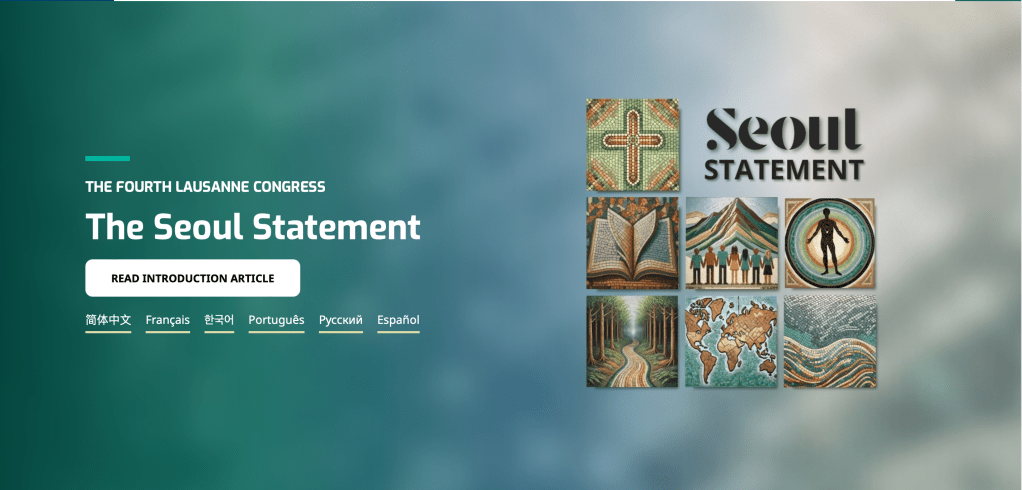
At the heart of all the disagreement is a simple question: What is the mission of the Church? During the congress, The Seoul Statement Seoul Statement was released, and it generated a lot of discussion. It outlines seven key themes for the global evangelical church: a biblical theology of the gospel, a strong view of Scripture, doctrine of the church, and a vision for humanity and biblical sexuality, discipleship, global conflict, and technology.
None of these are inherently bad, but there needs to be a clear delineation of emphasis on evangelism over social action. The Seoul Statement wrestles with the tension, striving to give equal weight to both “incarnating the gospel” and “holistic gospel”, and as a result dilutes the Gospel.
When everything becomes a gospel issue, nothing is actually the Gospel, nor the issue.
So What?
As the church looks ahead to 2025, we need to make sure that the Gospel remains central and is proclaimed by words and deeds. Theological clarity, triage and discernment are more needed than ever in a world where the words “evangelical” and “church” have lost their intended meaning.
God will always have His remnant throughout the ages. The church must endeavor to be a pillar and buttress of the truth (1 Tim 3:15). And the church must seek to be faithful in the Lord’s eyes before seeking to be attractive in the world’s eyes.
May our testimonies be bold, sincere, earnest and powerful as we trust, obey and proclaim our Lord Jesus Christ.













 Madagascar 3M