
By Joy Emmanuelle Ravoahangy
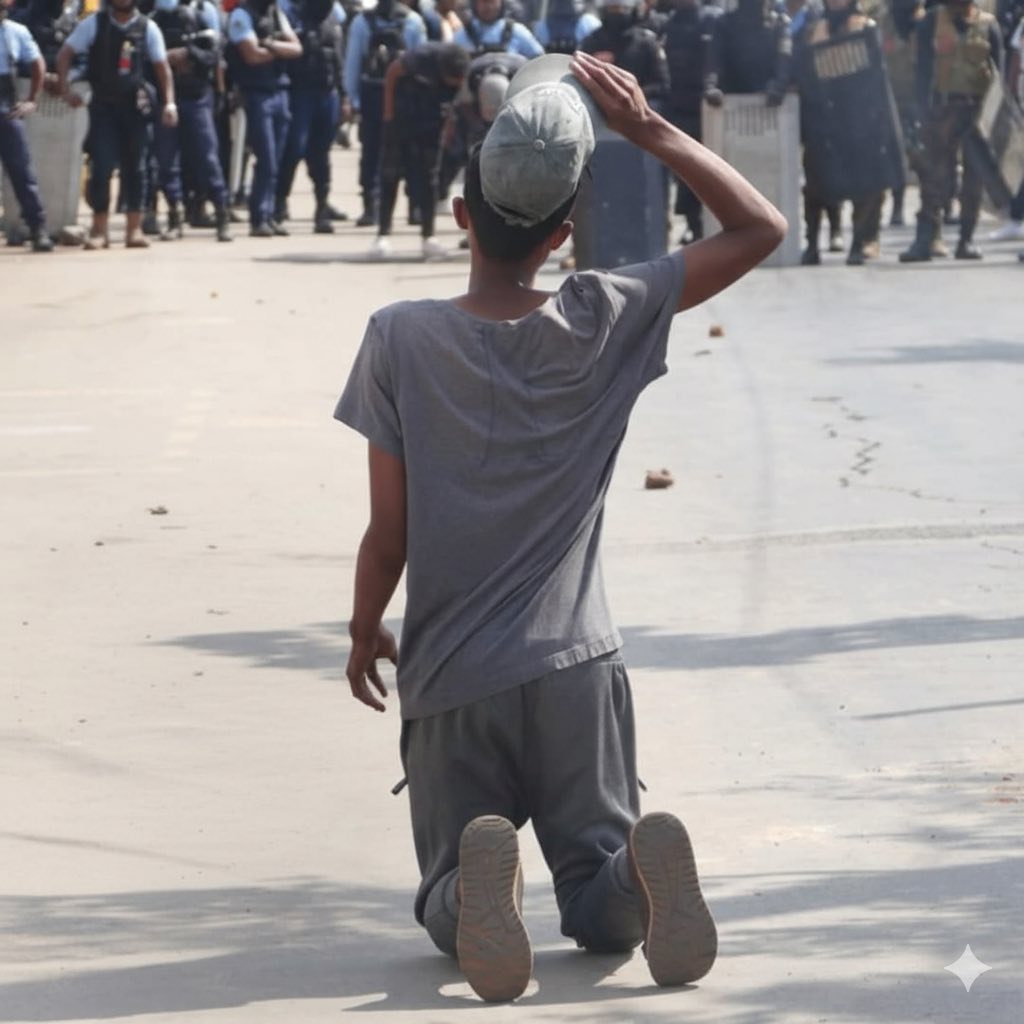
My name is Joy Emmanuelle Ravoahangy, and I am Malagasy. I am not poor, in fact I am far more privileged than many of my brothers and sisters in this country. But privilege does not blind me. On the contrary, it compels me to see and to speak. I speak up because I have the ability to, and because all my life I have witnessed the poverty and the struggles the average Malagasy person has had to endure.
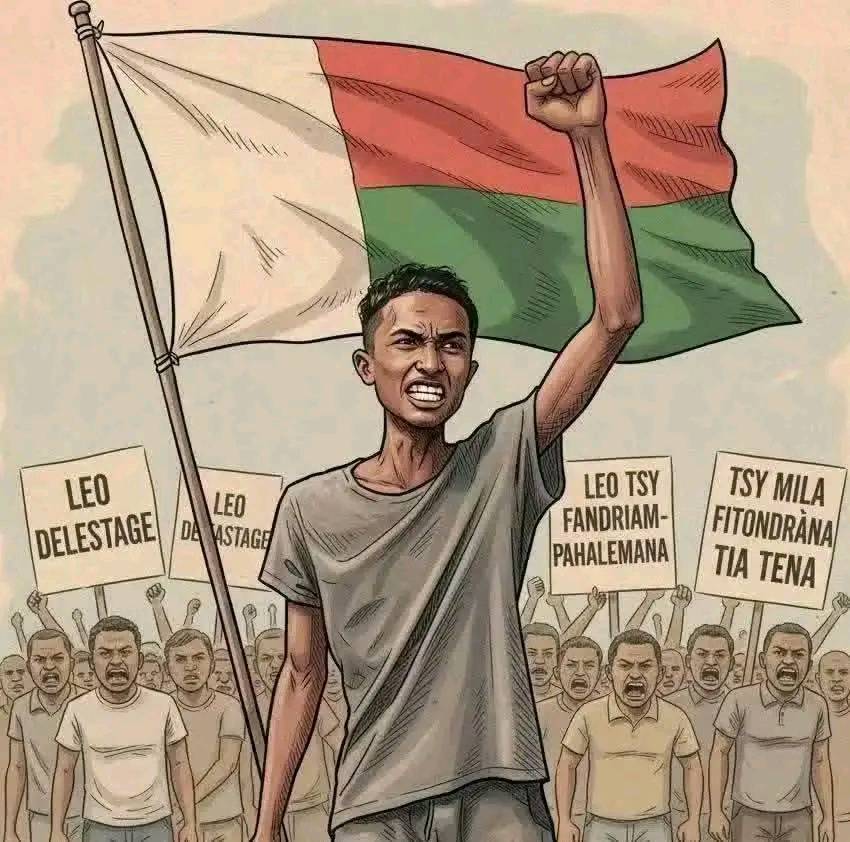
On September 25, 2025, Madagascar cried out. What the world has called Le Jeudi Noir, Black Thursday, was not just another day of unrest. It was a moment when a nation, long silenced by resignation and weariness, chose to stand. Across cities and villages, from Antananarivo to the coasts, people poured into the streets. They were not only protesting water shortages or blackouts. They were declaring: we will no longer accept being stripped of our dignity.
What happened on that Thursday was not born out of destruction, it was born out of years of neglect. Out of lives lived in darkness, literally and figuratively. Out of promises made by those in power that were broken again and again.
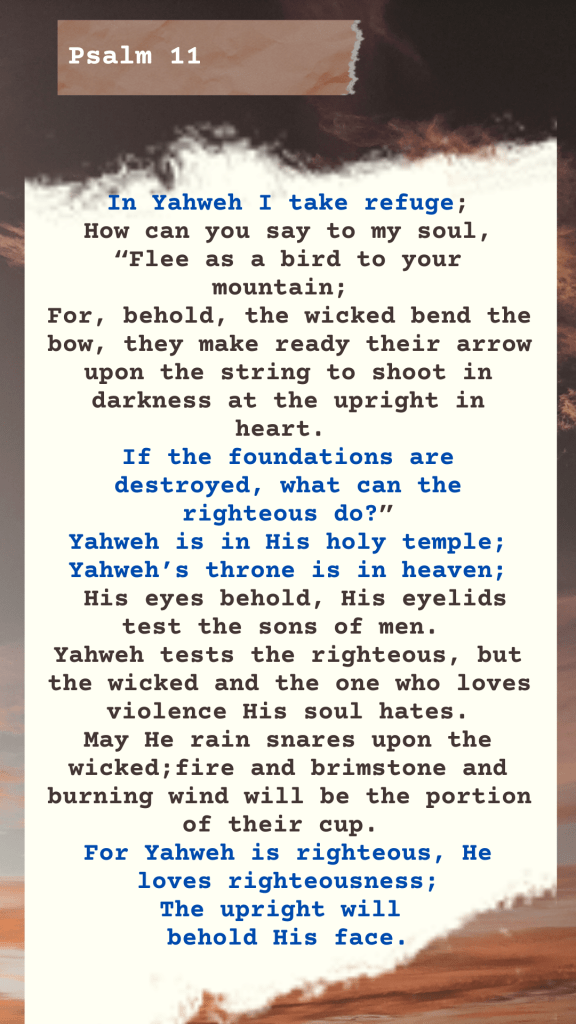
As a Christian, I cannot separate what I witnessed from what Scripture teaches. Psalm 11 asks: “When the foundations are being destroyed, what can the righteous do?” This is the question that echoes through Madagascar today. Our foundations, justice, honesty, the right to live with dignity, feel shattered. And yet, the psalm does not leave us in despair. It reminds us that the Lord is righteous, that He loves justice, and that the upright will see His face.
But as the protests grew, so did the chaos. In the clashes between police and protesters, innocent people were shot, some left unalive, and fear turned the streets into something unrecognizable. And in that chaos, desperation took its chance. Shops were raided, fires blazed through the night, windows were shattered, and goods were carried away in arms that have known only lack.
I do not write this to glorify destruction, nor to excuse it. But I also refuse to reduce my people to the image of violent men creeping through the dark. Those who broke into stores that night were not monsters. They were Malagasy, shaped by poverty so deep it corrodes the mind. When given an unexpected opportunity to grasp what they have been denied their whole lives, many took it, not out of greed, but out of hunger, out of exhaustion, out of hopelessness.
And there are whispers, rumors spreading like smoke, that some of these raids were not spontaneous at all. That people were paid to do it, paid as little as 15,000 ariary, which is barely more than three US dollars. If that is true, then what does it say about us as a nation? That the government, or those aligned with it, could turn the suffering of its own people into a weapon against them? That desperation itself could be bought and sold, and once again the poor were controlled, and not freed?
These were not dangerous criminals in the truest sense. They were a struggling group, pushed into the margins, manipulated in the shadows, and then paraded before the world as proof that Malagasy voices are violent and chaotic. But I know, and now you know, that this is not the truth.
It was not simply chaos, it was a call to remember who we are. A people created in the image of God. A people with the right to live, to hope, to flourish. A people who will not remain silent while our foundations crumble.
I write this not as a distant observer, but as a citizen of Madagascar. I feel the weight of frustration, the yearning for change, the cry for something better. And I believe my people are called, not to despair, but to courage. To stand firm in truth. To demand justice with boldness and to rebuild with faith. Black Thursday must not fade into history as just another protest. It must be remembered as the day when Malagasy voices joined together to say: enough. Not in hatred, but in hope. Not in bitterness, but in resolve. So I ask you to pray with us, and to call on God to bring justice, to heal our land, and to lift up the weary. For it is written, “The Lord will fight for you; you need only to be still.” (Exodus 14:14). Together, let us place our hope in Him, trusting that He will avenge and restore. Because our story is not finished, and our God has not abandoned us.
Emmanuelle Ravoahangy is a 15-year old writer who loves music, writing, and reading. Here are her contacts if you care to ask her questions or discuss her perspective as a third-culture Christian teenager in Madagascar, in this day and age.
Email: eravoahangy@gmail.com / Instagram: @em.rav_
[pictures borrowed from social media]
 Madagascar 3M