
PART 2 OF 3: THE CURE OF LIGHT
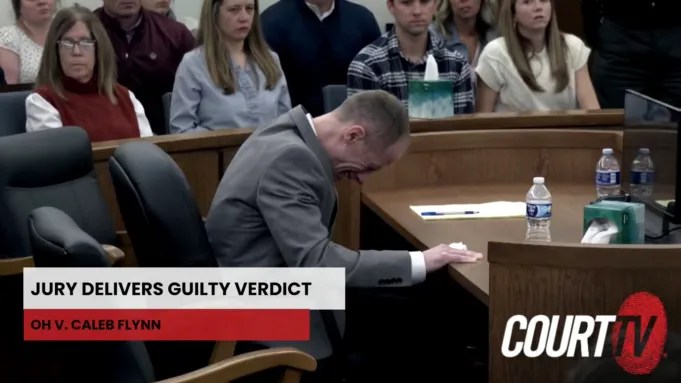
This article is part of a three-part series on sin in the church, written in light of the Caleb Flynn case. Flynn, a worship leader in Ohio, was convicted by a jury on September 29 of murdering his wife, Ashley, while carrying on an affair, and his lawyers have said they will appeal. I am not writing to judge him, since the courts are doing that work. I am writing because this tragedy forces us in the church to look honestly at ourselves, which fits the theme of this year’s International Summit for Expository Preaching on November 4-7.
Part 1 looks at what sin destroys, part 2 at the accountability and transparency that keep sin from growing, and part 3 at the forgiveness and grace that have the last word. May we read, repent, and rejoice in the Gospel.
[Picture borrowed from the internet]
Sin does not grow in the open. It grows where no one asks questions. One of the hardest lessons from the Flynn case is how long a double life can run inside a church. A man can lead worship on Sunday and carry a secret relationship through the week, and no one sees it. Sin thrives in privacy, and the Bible knows this.
Jesus said, “Everyone who does wicked things hates the light and does not come to the light, lest his works should be exposed” (John 3:20). Hidden things feel safe to the one hiding them. The longer they stay hidden, the stronger they become. Adam and Eve hid after the first sin (Genesis 3:8). David hid his adultery and then arranged a death to cover it. The pattern is ancient: concealment compounds sin.
Scripture’s answer is not shame but light. “Walk in the light, as he is in the light, we have fellowship with one another” (1 John 1:7). Fellowship and light go together.
A church that values privacy over honesty, or reputation over repentance, is building a shelter for sin.
So we need accountability, and it must be real. Proverbs says, “Iron sharpens iron, and one man sharpens another” (Proverbs 27:17). Paul writes, “Brothers, if anyone is caught in any transgression, you who are spiritual should restore him in a spirit of gentleness” (Galatians 6:1). Notice the verbs: caught, restore, gentleness.
Accountability is not an act of surveillance leading to gossip; it is an act of love with open eyes leading to restoration.
Pastors, this begins with us. Hebrews 13:17 says leaders “keep watch over your souls.” 🖐🏽 Who keeps watch over ours? Too many pastors and ministry leaders answer to no one in practice. We need elders who can ask hard questions and be answered honestly. We need boundaries around private communication, meetings, and travel. We need to say, “Look at my phone, my calendar, my life.” Rules do not make a man holy, but they remove him from the shadows where temptation hides. Paul told Timothy to flee youthful passions and pursue righteousness “along with those who call on the Lord from a pure heart” (2 Timothy 2:22). Notice “along with.” Purity is pursued in company.
🖐🏽 Congregations, this is your calling too. Do not treat your leaders as untouchable, and do not treat them as suspects. Pray for them, ask about their lives, and notice patterns. If something troubles you, speak early and speak kindly. Proverbs 27:6 says, “Faithful are the wounds of a friend.” A church that never asks questions has not chosen peace. It has chosen blindness.
Transparency means no hidden life. The goal is simple: the person I am in private should be the person people see in public. “Whoever walks in integrity walks securely, but he who makes his ways crooked will be found out.” (Proverbs 10:9).
The fruit of accountability is freedom. A transparent life has nothing to protect. If you are hiding something today, bring it to the light before the light finds it. If you lead, build a culture where truth costs less than silence. And Caleb Flynn’s story epitomizes this.


