
Recent events in our society have left us grappling with profound moral questions. The stabbings of individuals like Iryna Zartuska, the hostility towards Charlie Kirk following his tragic death, and the callousness reflected in memes celebrating violence all signal a deep fracture in our social fabric. These incidents urge us to examine our collective conscience and the implications for the Christian faith in the face of such moral decay.
Apathy in the Face of Violence
The act of standing by while someone suffers—like when Iryna Zartuska was stabbed—reveals a troubling trend of desensitization and neglect. From a Christian perspective, this apathy contradicts the Gospel imperative to love our neighbors and to act justly (Micah 6:8). Speaking against injustice and defending the vulnerable are not mere suggestions; they are fundamental tenets of our faith. Scripture calls us to embody Christ’s love actively, and in moments of crisis, failing to intervene signifies a spiritual lethargy that undermines our witness.

The Celebration of Death
Similarly, the reaction to Charlie Kirk, who was met with derision and celebrations of his death for holding differing political and religious views, speaks volumes about our societal sickness. Christians believe in the sanctity of life, echoing the sentiment that every individual is created in the image of God (Genesis 1:27). The juxtaposition of celebratory responses to Kirk’s death against a backdrop of personal beliefs showcases the division and moral blindness that prevail in contemporary discourse. To liken him to a Nazi, dismissing his value based on ideology, elevates hatred over compassion, reflecting a chilling departure from Christ-like love.

The Disturbing Normalization of Violence
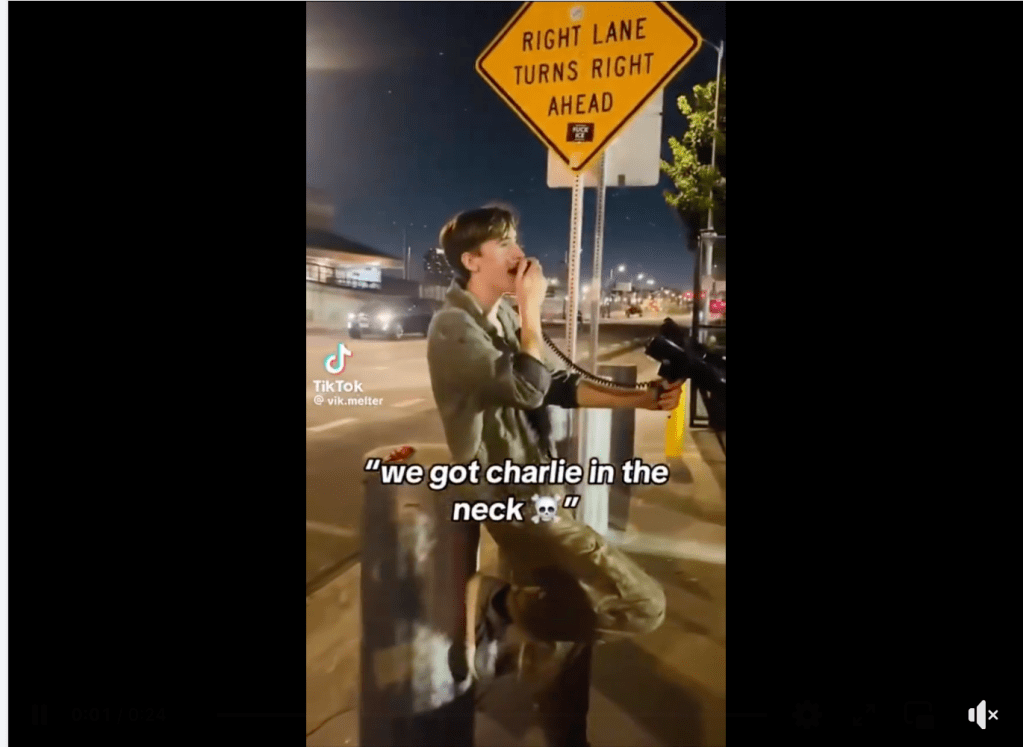
The emergence of memes that trivialize gun violence dilutes the gravity of life and death. Humor rooted in tragedy not only desensitizes audiences but also normalizes a culture of violence. In Ephesians 4:29, we are called to let no corrupting talk come out of our mouths; rather, we should speak words that edify and uplift. The rise of such memes speaks to a society increasingly disconnected from the serious implications of its words and actions, indicating a spiritual malaise that Christians are called to address.

Finding Hope Amidst Despair
Yet, amidst these dark reflections, we, as Christians, find encouragement in the teachings of Scripture and the resilience of our faith. In Philippians 1, the apostle Paul, despite facing imprisonment and persecution, exemplified how adversity can indeed advance the Gospel (Philippians 1:12). His unwavering commitment reminds us that when evil seems to reign, God remains sovereign, and His purposes will not be thwarted.
1. Encouraging Intercession: These events may drive Christians towards deeper petition, fostering an active prayer life for one another (Phil 1:3-4). In a time when society feels chaotic, prayer becomes a vital lifeline, uniting us in faith and hope.
2. Rallying for the Gospel: In troubled times, believers can come together in common purpose—spreading the message of the Gospel (Phil 1:5). Persecution and hardship can galvanize us to reflect our faith more authentically and be heralds of truth in a fractured world.
3. Preparing for Eternity: Contemplating the fragility of life as seen in these tragedies can prompt Christians to evaluate their readiness to meet God (Phil 1:6-11). Each day is a gift, and with it comes the opportunity to share our faith with urgency (Eph 5:16).
4. Boldness Against Wickedness: The current climate can inspire believers to be bolder in their witness and stand against moral decay (Philippians 1:14, 18, 20). Our response should be rooted in love but assertive in proclaiming the truth of the Gospel.
5. Bolstered by Martyrdom: Tragically, the finality of Kirk’s death serves as his last, somber “debate platform,” reflecting Philippians 1:21, where living is Christ and dying is gain. His testimony challenges us to consider how we live and die for the Gospel.
6. Revealing Society’s Evil: These events compel us to confront the evil that permeates our culture; the piling judgment reflects a deep need for repentance and revival (Philippians 1:28). We are called to expose darkness and champion light.
7. Sifting Genuine Faith: Ultimately, these crises serve to differentiate between true followers of Christ and those who merely wear the label. The call to suffer for Christ is a gift of grace, and it beckons genuine believers to step forward in faith (Philippians 1:29-30).
Let’s Keep Shining
In a society grappling with moral relativism, Christians are called to rise above the fray—embodying love, promoting justice, and speaking truth. Unwavering hope in God’s plan should illuminate our path, urging us to pray, act, and share the profound truth of the Gospel. While the landscape may seem bleak, we must remember that the light of Christ shines brightest amidst darkness, and His truth cannot be hindered.
May we, as part of His body, respond with grace, compassion, and boldness in these challenging times.
[Pictures borrowed from online platforms]